What Is the Closest Wine Region to San Diego?
Valle de Guadalupe is the closest true wine region to San Diego, about 75 miles and a two-hour drive south. Learn why it's worth the border crossing and how to plan a day trip.
What Is the Closest Wine Region to San Diego?
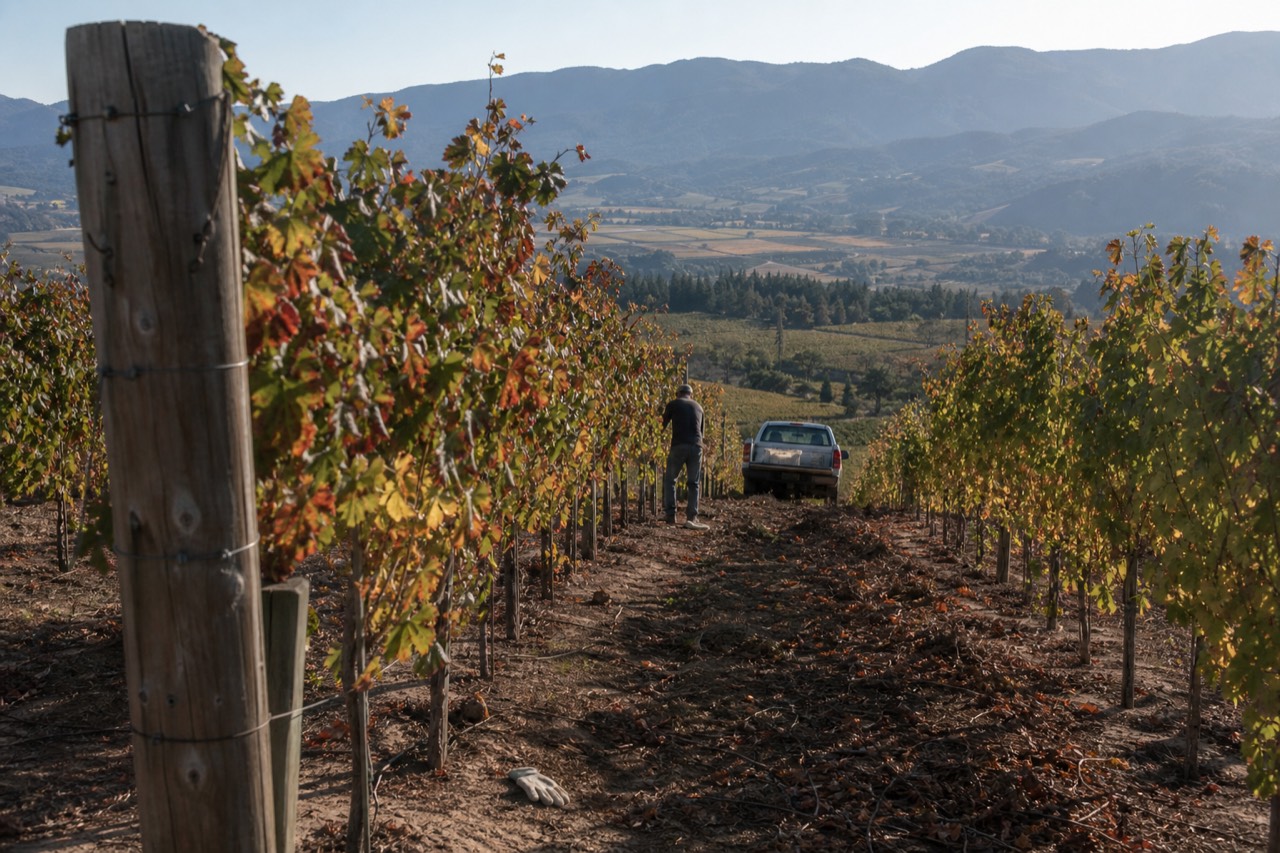
Valle de Guadalupe, in Baja California, sits roughly 75 miles south of San Diego, about a two-hour drive. It is the closest true wine region to the city, closer than any US-side appellation with a comparable concentration of wineries and tasting rooms.
When San Diegans ask for the nearest wine country, the answer is not Temecula or Ramona; it’s across the border. Valle de Guadalupe Wine Tours is a resource that covers the full lineup, but the geography itself is straightforward: head south on I-5 to the San Ysidro border crossing, then continue on Mexican Highway 1D (the toll road) toward Ensenada, and turn inland at the valley. The route traces the coast for much of the way before climbing into a dry, boulder-strewn landscape that holds dozens of wineries, from tiny family labels to large producers. Because the valley sits near Ensenada, it’s often called “Mexico’s Napa Valley,” though the feel is more rustic and chef-driven than the polished tasting rooms of California. Our deeper comparison of what makes Mexico's Napa Valley different goes further into that contrast.
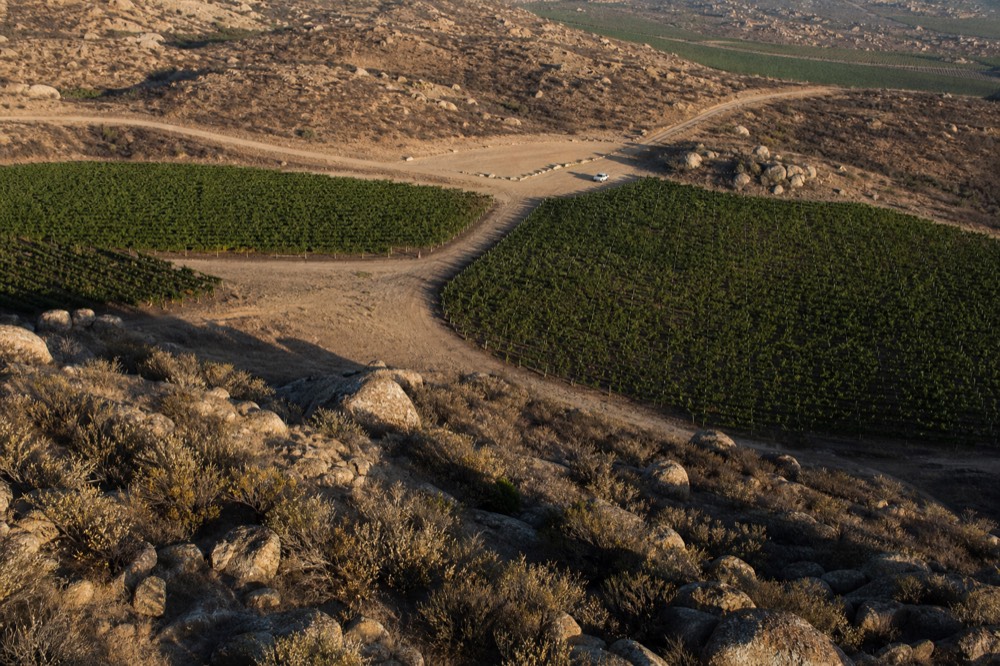
The drive itself is a large part of the appeal. Once you clear the border, the toll road is modern and well-maintained, and the scenery shifts from Tijuana’s urban edge to open coastal bluffs and then the valley’s olive groves and vine rows. For a day trip, the two-hour one-way travel time is comparable to a drive from San Diego to Santa Barbara wine country, but the destination feels far more removed from the familiar California wine circuit. The border crossing adds a layer of planning that a domestic trip does not require, but the payoff is a wine region that feels like a genuine discovery, not a repeat of a Napa or Sonoma itinerary.
Why a Valle de Guadalupe Day Trip Can Beat a US-Side Alternative
A San Diego-based wine tour to Valle de Guadalupe often costs less than a comparable Napa or Sonoma day trip, and the experience is distinctly different: no tasting-room fees that rival dinner bills, and a landscape that feels farther from home than the same two-hour radius on the US side.
The numbers from the tour roster bear this out. A group day trip like the San Diego Wine and Dine Day Trip starts at $34 per person and can go up to $126 depending on group size. That price includes lunch and door-to-door pickup from San Diego. A private luxury option, the Luxury Private Wine Tasting Tour, runs from $269 per person and includes a cheese platter and lunch, while the All-Inclusive Premium Wine + Gourmet Food Tasting Tour ranges from $34 to $129 per person. In all three cases, the operator provides insured transportation, handles the border crossing logistics, and builds a full-day itinerary that would be difficult to replicate on your own at a similar price point on the US side. Tasting fees, a separate meal, and gas can push a domestic wine day well beyond what these all-inclusive tours charge, and you still have to drive yourself home. Our wine tours from San Diego guide compares all four San Diego departures side by side.
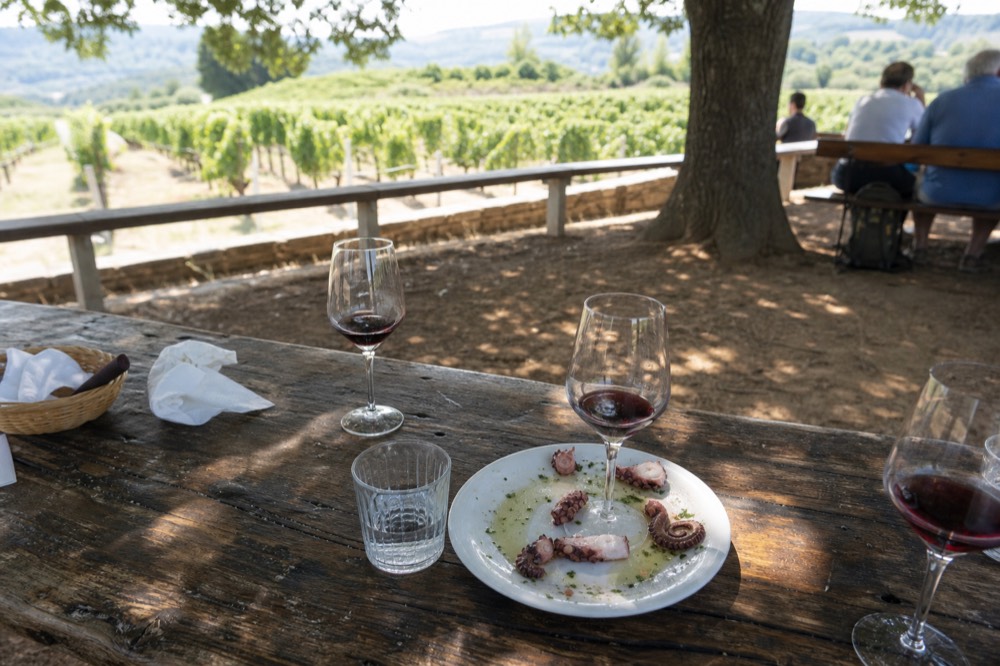
The contrast isn’t only about cost. Valle de Guadalupe wineries tend to charge lower tasting fees than their Napa counterparts, and many pair pours with on-site food from restaurants that have drawn national attention. The valley’s signature blend of Mediterranean and Baja Med cuisine, grilled octopus, wood-fired lamb, and fresh seafood, is a draw in itself, and several tours fold a full meal into the itinerary. The result is a wine day that feels like a genuine culinary excursion, not a rushed tasting-room hop. The open-air setting, with many tastings under shade trees or on terraces overlooking the vines, adds to the sense that you’ve left the familiar behind.
| Tour | Price (from) | Duration | Rating | Includes |
|---|---|---|---|---|
| San Diego Wine and Dine Day Trip | $34–$126 per person | 8–10 hours | 4.9 (36 reviews) | Lunch, pickup |
| Luxury Private Wine Tasting Tour | $269 per person | 10 hours | 5.0 (182 reviews) | Lunch, cheese platter, pickup |
| Premium Wine + Gourmet Food Tasting | $34–$129 per person | 10 hours | 5.0 (17 reviews) | Gourmet food tasting, pickup |
The table above gives a quick side-by-side of the three San Diego departure tours. All three run a full day, include food and transportation, and carry strong review profiles. The Luxury Private option sits at the high end with a 5.0 rating across 182 reviews, while the Wine and Dine trip offers the most flexible pricing for a group outing. The Premium Gourmet tour, though newer with 17 reviews, also holds a perfect 5.0 and includes a dedicated food tasting component that appeals to travelers who want the culinary side front and center.
The One Extra Requirement: Crossing the Border
The single complication a Valle de Guadalupe day trip adds that a domestic wine country run does not is the border crossing: every US citizen needs a valid passport book, passport card, or Trusted Traveler card to re-enter the United States by land.
A birth certificate and photo ID are not sufficient under the Western Hemisphere Travel Initiative, which has been in force since 2009. Minors need their own compliant document as well. Even for a day trip, official guidance recommends carrying a Mexican FMM tourist permit, though enforcement in the immediate border zone varies. For a deeper look at the document rules, see our post on what you need to cross the border for a Valle de Guadalupe visit.
For many travelers, the border requirement is the one friction point that pushes them toward a tour rather than a self-drive. The operators on this roster have built their itineraries around a smooth crossing: they know which lanes to use, when to time the return to avoid peak wait times, and how to keep the group together at the checkpoint. The result is that a tour effectively removes the border as a stressor, turning it into a brief stop rather than a planning headache. The return trip is equally streamlined, with drivers who time the crossing for the lightest traffic windows.
Driving Yourself vs. Booking a Tour That Handles the Crossing
Driving your own car into Mexico means buying a separate Mexican auto insurance policy and staying under a stricter 0.05% blood-alcohol limit, while a guided tour provides insured transport and a sober driver so you can taste without worry.
The practical differences stack up quickly. US auto insurance is not recognized for liability coverage in Mexico; a separate Mexican-issued policy is legally required for any vehicle you drive there, per AAA. Without it, even a minor incident can lead to detention or impoundment. Then there’s the alcohol limit: Mexico’s federal driving BAC limit is 0.05 g/dL, stricter than the US federal 0.08% standard, and some states enforce even lower thresholds. Even one standard drink, a 5-ounce pour of wine at 12% ABV, can measurably impair driving, per NHTSA, which is the real reason wine tours across the border all include transportation.
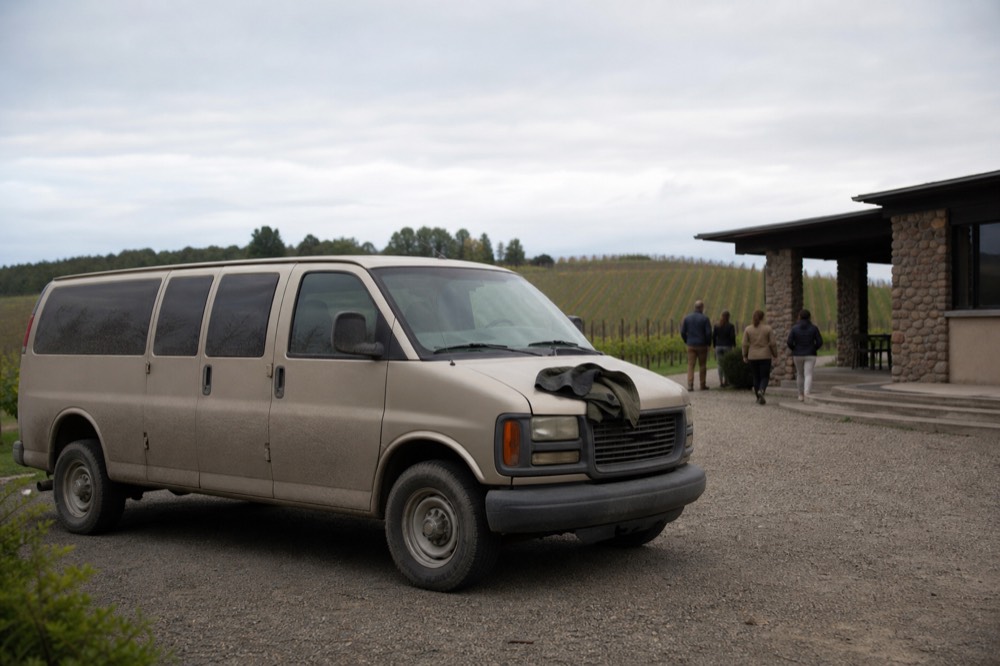
The San Diego Wine and Dine Day Trip, for example, picks you up in San Diego, crosses the border in an insured vehicle, and returns you at the end of the day. The driver is sober, the insurance is covered, and you can taste across multiple wineries without calculating BAC. The same is true of the private luxury and premium gourmet tours, which also include meals and curated stops. The peace of mind that comes from not worrying about insurance, BAC, or border logistics is a large part of why these tours sell well.
| Factor | Driving Yourself | Tour with Included Transport |
|---|---|---|
| Mexican auto insurance | Must purchase a separate policy | Included in the tour |
| Blood-alcohol limit | 0.05% (stricter than US) | Not a concern; driver is sober |
| Border crossing logistics | Handle lanes, wait times, and paperwork alone | Handled by the operator |
| Tasting ability | Limited to one or two pours if driving | Full tasting across multiple wineries |
| Total cost (estimate) | Gas, tolls, insurance, tasting fees, meal | All-inclusive pricing from $34–$269 per person |
The infogain box above collects the key safety and legal figures that shape how tours are built. The Level 3 advisory is real and worth reading before you go; our post on Valle de Guadalupe safety walks through what it means for a wine day trip. In practice, the operators on this roster all run their vehicles on the main toll road and stay within the valley’s well-traveled winery circuit, which is the same approach millions of cross-border day-trippers take each year.
Who Should Cross the Border for Wine, and Who Should Stay Closer to Home
Travelers who want a genuinely different wine region, are comfortable with a passport and a border crossing, and value a full-day experience with food and scenery will find Valle de Guadalupe rewarding; those who prefer a simpler, no-document domestic outing may be happier in Temecula or Ramona.
The valley suits a specific traveler profile. You need a valid passport or equivalent document, and you need to be okay with a day that starts early and ends late; most tours run 8 to 10 hours door-to-door. In return, you get a wine region that feels like a discovery: chef-run outdoor kitchens, pours of Nebbiolo and Tempranillo alongside Baja’s own blends, and a landscape of olive groves and boulder-strewn hills that looks nothing like the manicured rows of California. The food alone is a reason to go; the valley’s restaurant scene has grown alongside the wine industry, and many wineries now have on-site kitchens that rival standalone restaurants.
For those who want the top end of that experience, the Luxury Private Wine Tasting Tour (from $269 per person) adds a cheese platter, a private vehicle, and a curated winery list. It’s the option for a couple or small group that wants a seamless, high-end day without any logistics. The private format also means the itinerary can be tailored to your pace, with more time at the wineries you enjoy most.
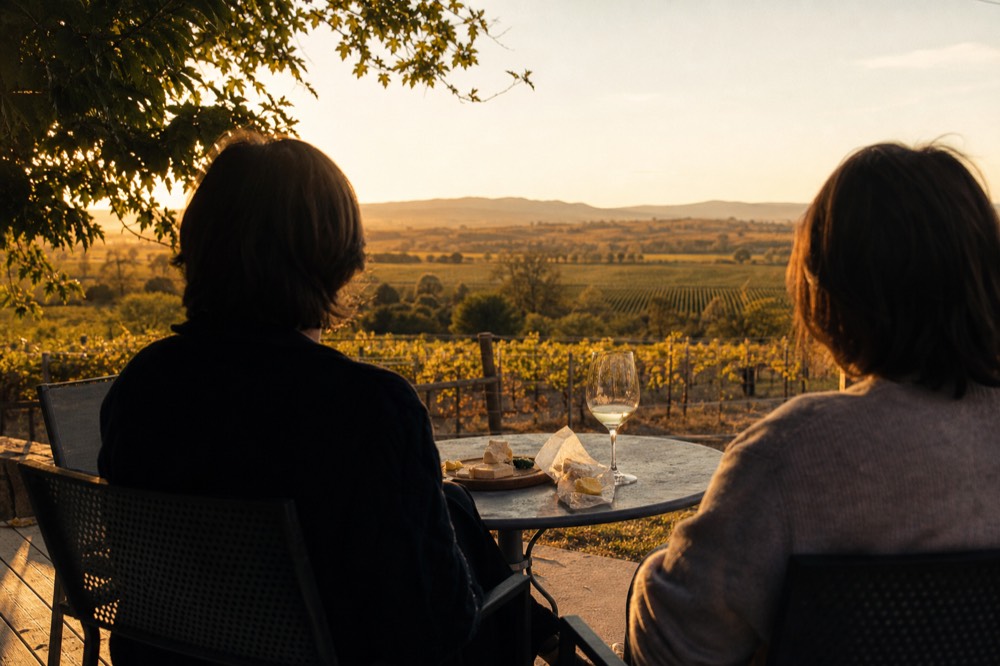
On the other hand, if the idea of carrying a passport for a wine outing feels like too much friction, or if you’re traveling with a group that includes someone without a compliant document, a domestic day in Temecula or Ramona is the simpler call. Those regions are closer in miles but don’t offer the same scale of wine production or the cross-border novelty. The choice comes down to how much you value a distinct wine-country experience versus a friction-free day.
What Makes Valle de Guadalupe Worth the Extra Effort
Beyond the lower tasting fees and the novelty of crossing a border, Valle de Guadalupe offers a raw, chef-driven food scene, a mix of boutique and large-scale wineries, and a landscape of olive groves and boulder-strewn hills that feels nothing like California wine country.
The valley has earned its reputation as a destination that rewards the extra step. Our post on whether Valle de Guadalupe is worth it digs into the specifics, but the short version is this: you can taste at a winery like L.A. Cetto, one of the region’s largest producers, then walk to a neighboring outdoor kitchen for wood-fired octopus, all within a single afternoon. The valley’s lack of a formal tasting-room infrastructure, many pours happen at open-air bars or under shade trees, is part of the draw, not a drawback. The entire experience feels more like a rural food-and-wine trail than a corporate tasting route.
The three tours in the selection band above all make that experience accessible from San Diego in a single day. They handle the border, the driving, and the itinerary, leaving you free to focus on the wine and the food. For a closer look at what a full day across the border looks like, the live listings for each tour spell out the winery stops and meal inclusions.
Common questions about the closest wine region to San Diego
What is the closest wine region to San Diego?
Valle de Guadalupe, in Baja California, is about 75 miles south of San Diego, roughly a two-hour drive. It is the nearest wine region with a large concentration of wineries and a full day-trip infrastructure.
How long is the drive from San Diego to Valle de Guadalupe?
The drive typically takes about two hours, depending on border wait times and traffic. The route follows I-5 to the San Ysidro crossing, then Mexican Highway 1D toward Ensenada before turning inland.
Do I need a passport to visit Valle de Guadalupe?
Yes. A valid US passport book, passport card, or Trusted Traveler card is required for land re-entry. A birth certificate and photo ID are not sufficient. More detail is available in our border document requirements post.
Is it safe to drive to Valle de Guadalupe?
Most visitors choose a tour that includes insured transport and a sober driver, removing the need to sort out Mexican auto insurance rules and the 0.05% BAC limit yourself. Our safety overview covers the State Department advisory and what it means for a wine day trip.
How does Valle de Guadalupe compare to Temecula?
Valle de Guadalupe has a larger concentration of wineries, lower tasting fees on average, and a distinct Baja Med food scene. The trade-off is the border crossing and passport requirement, which Temecula does not have.
Can I do a day trip from San Diego?
Yes. Several tours depart San Diego in the morning, cross the border, visit multiple wineries, include lunch, and return by evening. The tours listed on this page range from 8 to 10 hours and are designed as single-day excursions.