Is Valle de Guadalupe Safe?
An honest look at the US State Department's Baja California travel advisory, what it means for a Valle de Guadalupe wine trip, and the practical safety facts that matter.
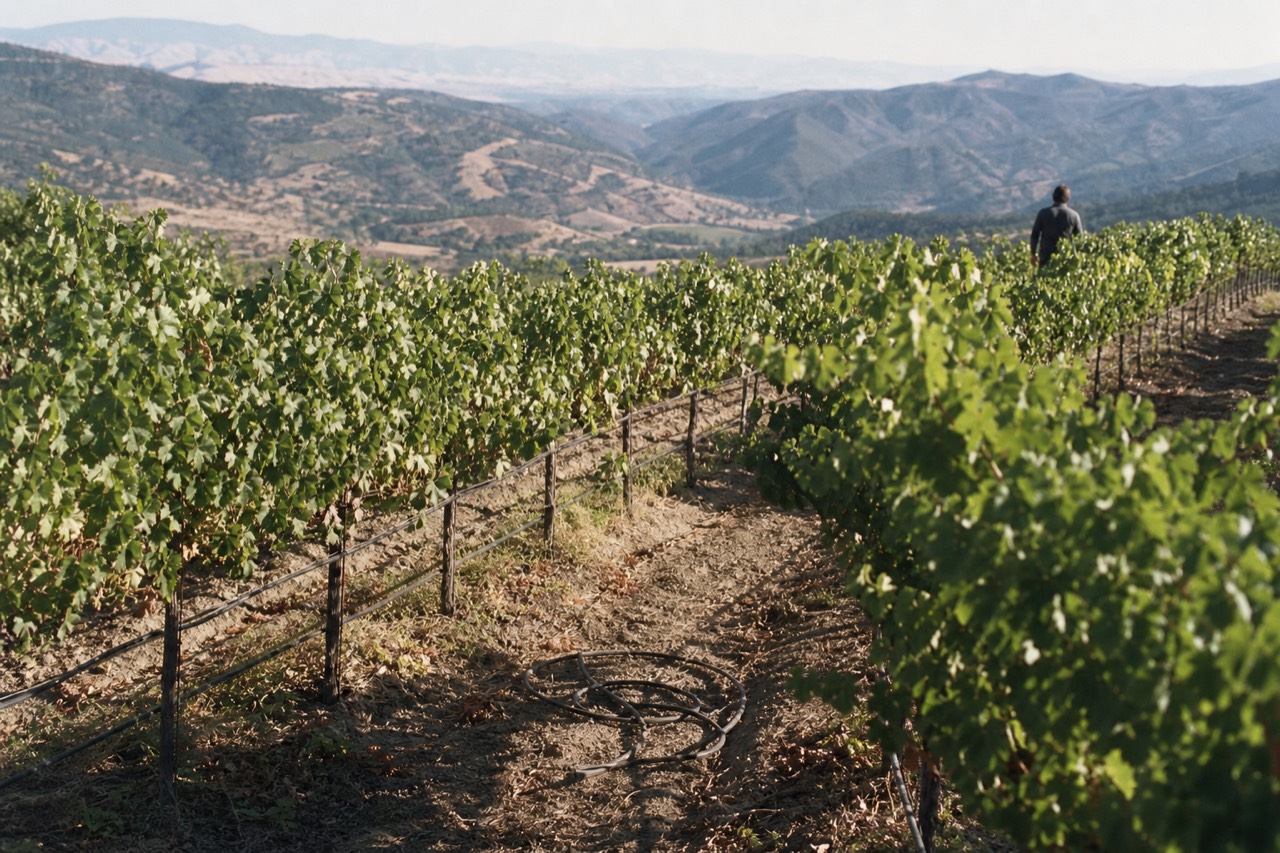
Is Valle de Guadalupe Safe?
Valle de Guadalupe sits in Baja California, a Mexican state under a US State Department Level 3: Reconsider Travel advisory due to crime and kidnapping, so travelers should weigh that guidance carefully when deciding whether the region is safe to visit. That is the honest starting point, and it is the number you should know before anything else on this page. The rating applies at the state level, which means Tijuana, Tecate, Ensenada, Rosarito and the wine valley all sit inside the same advisory boundary. There is no separate, lower rating for the valley itself, and any source that tells you otherwise is guessing.
The context around that number matters, though, and it is real context, not spin. Mexico as a whole is rated Level 2: Exercise Increased Caution, so Baja California sits one level above the countrywide baseline. The State Department's reasoning for the state-level rating points to cartel-related violence in specific areas rather than anything aimed at vineyard country. Millions of Americans cross the border into Baja California for day trips every year, and the practical reality on the ground, in tourist zones and on the main highways, is that wine tourism has run continuously and at scale through all of it. The advisory page does not carve out the valley for special mention in either direction.
So the honest framing is not "safe" or "unsafe." It is: know the advisory exists, understand what it is actually about, and then make choices, like taking a tour with insured transportation rather than driving yourself, that address the real, documentable risks on a wine trip. Those risks are less about violent crime and more about things like driving after tasting, Mexican auto insurance law, and border documents. We cover each of those below.
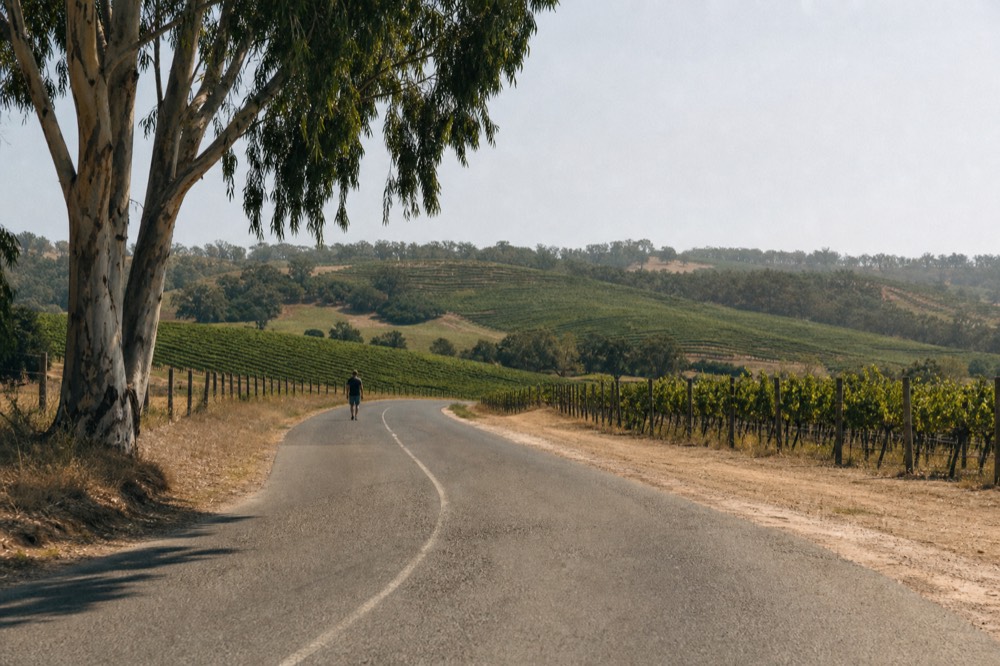
One structural point before the details: the wine-tour industry in this valley is built almost entirely around the idea that you should not be driving yourself. Nearly every tour in our roster includes pickup, an insured vehicle and a driver-guide, and that is not a luxury upsell. It is a response to Mexican law and to the realities of a tasting day. If you take one practical lesson from this article, let it be that one.
For travelers who want the transportation question handled from the start, these are three of the strongest options that include pickup and a driver as standard:
What does the Level 3 advisory actually say about Baja California?
The advisory assigns Baja California a "Level 3: Reconsider Travel" rating, citing terrorism, crime, and kidnapping as the stated reasons. This means U.S. officials urge travelers to weigh whether a visit is necessary, though the state remains a step below the most severe "Do Not Travel" designation applied to other regions of Mexico. It is a state-level rating, issued separately from Mexico's overall Level 2 country summary, and it is also separate from Baja California Sur, which is a different state with a different level. Travelers frequently confuse the two because the names are similar, but Cabo San Lucas and Ensenada are not in the same state and do not share an advisory. The rating is real, current and worth reading in full on the State Department's own page before you commit to a trip.
What the advisory does not do is name Valle de Guadalupe, Ensenada's tourist corridor, or the wine route specifically. It does not tell you a winery is dangerous or that a highway is off limits. State-level advisories are broad instruments: they summarize conditions across an entire state, including cities and regions most wine tourists will never come within fifty miles of. The violence that drives the rating in Baja California is concentrated in specific urban areas and is largely tied to organized crime, not to visitors. Tourist zones and the main transit corridors are treated very differently in practice, both by the tour operators who run them daily and by the millions of Americans who cross each year.
The right way to use the advisory is as a planning input, not a verdict. Read it, note the reason given, and then look at what you can control. On a wine trip, the controllable risks are concrete: who is driving, whether the vehicle is properly insured under Mexican law, whether your documents are in order for the border, and how much you are drinking. Those are exactly the areas where organized tours outperform a self-drive plan, and the rest of this article works through them one by one.
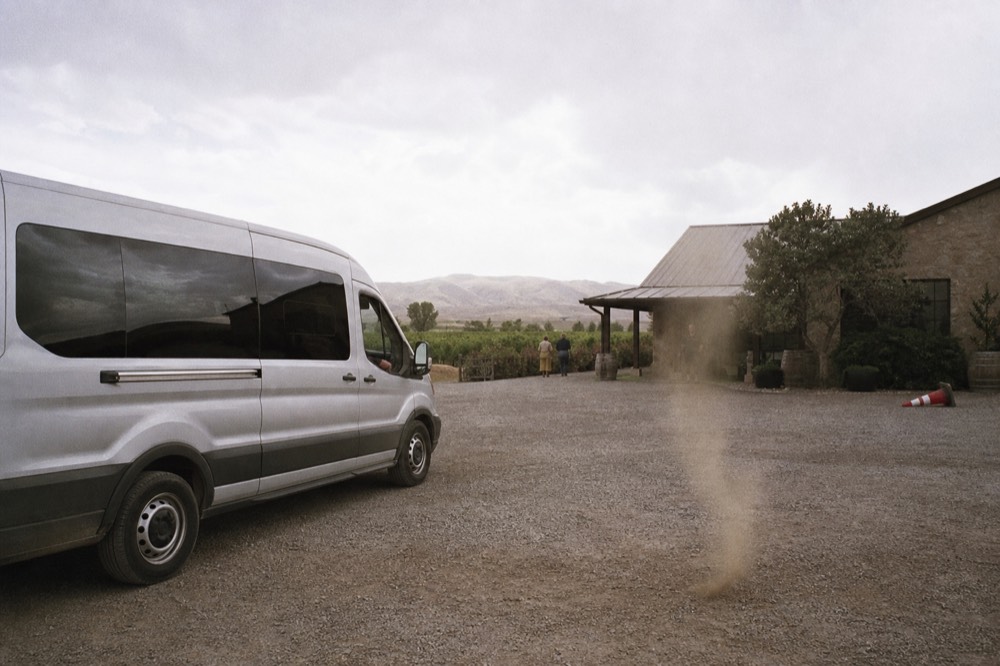
Is it safe to drive yourself to the wineries?
Driving yourself is legal and done by many, but it stacks three real risks: Mexican liability insurance is legally required and US policies do not count, Mexico's legal blood-alcohol limit is 0.05 g/dL, and even one standard drink measurably impairs driving. Together, they explain why the entire tour industry here is built around included transportation rather than rental cars.
Start with insurance. US auto insurance is not recognized for liability coverage in Mexico, per AAA, and Mexican federal law requires a Mexican-issued liability policy for any vehicle driven in the country. Driving without one risks detention or impoundment after an incident, even a minor one. If you rent a car on the US side and drive it across, you must arrange Mexican coverage separately, and many US rental agreements prohibit cross-border driving entirely. This is the single most common trap for self-drive wine travelers, and it is why Valle de Guadalupe Wine Tours exists as a site: the tours listed here all arrive in vehicles the operator insures.
Then there is the drinking question, and it deserves more honesty than most travel content gives it. Mexico's federal driving limit is 0.05 g/dL blood alcohol, stricter than the US federal-standard 0.08, and some Mexican states and cities enforce even tighter limits, down to 0.04 or zero tolerance for commercial drivers and minors. A standard drink, under the US federal public-health definition, is 12 ounces of beer at 5% ABV, 5 ounces of wine at 12% ABV, or 1.5 ounces of spirits at 40% ABV. The National Highway Traffic Safety Administration is blunt about the implication: even one standard drink measurably impairs driving ability. A wine-tasting day is, by design, a day of consuming multiple standard drinks in a short window. Doing that behind the wheel, in a foreign country with a lower legal limit than yours, is the single most dangerous decision available on this trip.
The tours solve this structurally rather than through willpower. Real operator listings in the valley commonly advertise transportation included, an insured vehicle and a bilingual driver-guide. Baja Tour Guide's listing, for example, says "Enjoy pickup directly from your hotel and all-day transportation," and the Rosarito Casa Frida tour's listing says "Our service is door-to-door." That is not marketing filler. It is the product.
The private-group bus option from Ansell Tours is a good illustration of the format: a full private bus with pickup included, rated 4.9 across 24 reviews, from $515 per group, running 8 to 10 hours out of Ensenada. For a group that wants the valley without anyone holding keys, it is one of the cleanest answers on the roster. Our Ensenada wine tours guide compares this bus option against the rest of the Ensenada lineup.
Is it safe for cruise ship passengers in Ensenada?
The same state-level Level 3 advisory covers the Ensenada cruise port, but the port itself is a routine, heavily trafficked stop on west-coast cruise itineraries, and sticking to the port zone and organized shore excursions is the low-friction way for a passenger to visit without added worry. The cruise lines run their own vetting of the tours they sell, which is a layer of screening independent of anything on this site. The wine valley sits roughly 75 miles, about 2 hours, south of San Diego and inland from Ensenada, so a port call puts you within striking distance of tasting country without any border crossing at all.
The main safety consideration for cruise passengers is time, not crime. Shore excursions have to fit inside the ship's schedule, and the valley is not next to the dock. A tour that runs long is a missed-ship risk, which is why the cruise-oriented listings in our roster are deliberately sized for a port call. The Wine Tasting Tour ONLY for Cruise Ship Visitors listing, for instance, runs 4 to 5 hours, the shortest tour on our roster, at from $207.80 per person. It is a newer, cruise-exclusive listing, rated 5.0 so far across just 1 review. Brunch and tastings are included, and the transport is private and air-conditioned. Our Ensenada cruise port wine tours guide covers the full timing math for a port call.
A second consideration is the border-document question, which does not apply to cruise passengers arriving by sea and returning by sea, but absolutely applies to anyone whose itinerary involves a land crossing. That is covered in the next section, so we will not repeat it here. For passengers simply getting off the ship in Ensenada, taking an organized tour, and reboarding, the document burden is minimal and the practical risk profile is that of any busy tourist port.
What documents do you need for a day trip across the border?
US citizens re-entering the United States by land need a valid US passport book, a passport card, or a Trusted Traveler card such as SENTRI; a birth certificate plus photo ID is not sufficient under the Western Hemisphere Travel Initiative, a rule in force since 2009. This is the single most common outdated assumption among day-trippers, and it turns into a genuinely bad afternoon at the border if you get it wrong. Minors need their own compliant document; there is no short-trip exception for children.
The passport card versus book distinction trips people up in both directions. The card is valid for land and sea crossings to Mexico, Canada and the Caribbean, but not for international air travel. If there is any chance your plans change to a flight home, the book is the document that covers you. The rules come from US Customs and Border Protection's WHTI guidance, which is the primary source here.
One further wrinkle that official guidance flags: a Mexican FMM tourist permit may formally be required even for short border-zone day trips, and while enforcement in the immediate border zone varies, carrying one is what the official recommendation supports. The US Embassy's "Driving to Mexico" page is the authority on this, and it is worth a read before your first crossing. None of this is dangerous, it is just paperwork, and paperwork is the part of a cross-border day trip you can fully control. Our full passport and document guide walks through every document scenario.
How do you tell whether a tour operator is legitimate?
Look for transportation-included language, an insured vehicle and a named operator on the live listing, and know that Mexico runs a real federal guide-accreditation system, SECTUR's NOM-08-TUR-2002 and NOM-09-TUR-2002 standards, which you can ask any operator about directly. The accreditation requires training hours, first aid and CPR certification, and a language exam, and it issues a credential valid up to four years. That is a real, official registry, not a marketing badge, and it exists precisely so travelers can check.
What we cannot tell you is that any specific operator on our roster holds SECTUR accreditation, because none of them list it on their pages, and we will not claim it. What you can do is ask. A legitimate operator will answer a direct question about their guide's accreditation and their vehicle insurance without hesitation, and the question itself is a useful filter. The operators in our roster publish their transportation and pickup terms on their live listings, and those listings are the place to verify current inclusions before you book.
Reviews are the other honest signal, with the caveat that small review counts mean exactly that. The Baja Tour Guide private tour out of Tijuana, for example, is rated 5.0 across 62 reviews, from $169 per person, with hotel pickup and all-day transportation confirmed on the listing. That is a substantial review base to trust. Our Tijuana and Rosarito wine tours guide covers that tour and its corridor in full. By contrast, some newer listings on the roster carry only a handful of reviews, and we say so plainly rather than printing a star that a small sample cannot support. Volume of verified reviews is not the only quality signal, but it is the hardest one to fake.
What do real guests actually say about safety on these tours?
Real guests rarely mention safety incidents at all; instead, their verified reviews focus overwhelmingly on logistics, praising named drivers, punctual pickups and comfortable transport. That pattern is exactly what you would expect when the transportation model is itself the safety model, so the strongest reassurance comes not from explicit safety talk but from consistent, detailed praise for how reliably these tours are run. The guest quotes here are real reviewer language pulled straight from the listings, worth reading as a pattern rather than as testimonials. Guests on the Ansell private tour and bus tour name their coordinator Patrick and drivers and guides Dale, Silvia, Diana, Jayri and Sabrina. Guests on the Rosarito Casa Frida tour name guides Adolfo and Fernando and driver Don Manuel. Guests on the Calandria couples tour name their guide Andrea.
The pattern is that reviewers remember their drivers by name, at length, across multiple operators. That is what a transportation-first product looks like from the passenger side. Nobody is writing home about the border, the advisory or a scary moment, because the structure of the day removes the moments where those things would appear. The wine tour with an insured driver is not just convenient, it is the version of this trip where the main documented risks, driving and insurance, are somebody else's professional job.
That said, honesty cuts both ways. Positive reviews do not cancel a state-level advisory, and we are not claiming they do. What they show is that the organized-tour format, which is what this site covers, has a long track record of functioning smoothly in exactly the corridor the advisory covers. Your job as a traveler is to pick a well-reviewed operator, keep your documents in order, and stay off the road after drinking. The industry has already built the answer to the third part.
Here is a compact summary of the risk factors we have covered and how each one is best handled:
| Risk factor | What it actually is | How tours address it |
|---|---|---|
| State Department advisory | Baja California rated Level 3: Reconsider Travel, reason given as terrorism, crime and kidnapping; state-level, distinct from Mexico's overall Level 2 | Read the advisory, travel the main tourist corridors, use organized transport |
| Driving after tasting | Mexico's legal BAC limit is 0.05 g/dL, stricter than the US 0.08; even one standard drink measurably impairs driving | Every tour in the roster includes a driver |
| Auto insurance | US policies are not recognized for liability in Mexico; a Mexican-issued policy is legally required | Tours arrive in operator-insured vehicles |
| Border documents | US passport book, passport card or Trusted Traveler card required for land re-entry; birth certificate plus ID is not sufficient | Have documents ready before departure, not at the booth |
| Operator legitimacy | SECTUR runs a real federal guide-accreditation system (NOM-08/09-TUR-2002) | Ask the operator directly; verify pickup terms on the live listing |
Is Valle de Guadalupe safe compared to other Mexico destinations?
There is no separate safety rating for the valley, so the only honest comparison is at the state level, where Baja California's Level 3 sits one level above Mexico's overall Level 2, and some popular Mexico destinations sit in states rated lower. That is a real difference, and pretending otherwise would be dishonest. What Baja California has in its favor for wine travelers specifically is the nature of the trip: a day or two in a concentrated tourist corridor, on organized transport, in an industry that has run continuously at scale.
It also helps to be precise about geography. Valle de Guadalupe is a rural wine region inland from Ensenada, not a border city, and the advisory's stated drivers are concentrated in specific urban areas. The valley's tourism economy depends on weekend visitors from both countries, and the wineries, restaurants and tour operators operate around that flow. For a deeper look at the region's character, our piece on what makes Mexico's Napa Valley different covers the wine side, and is Valle de Guadalupe worth it? weighs the whole question of whether the trip earns its border crossing.
The comparison question also has a practical answer that outranks the ratings question. Whatever the advisory level, the behaviors that keep wine travelers safe are the same everywhere: do not drive after drinking, use insured transport, keep documents in order, and stay on the beaten tourist path in an unfamiliar region. A Level 3 state where you take a guided tour is, in behavioral terms, a lower-risk day than a Level 2 destination where you rent a car and improvise. The advisory tells you the backdrop. Your choices set the actual risk.
If you are leaning toward an organized trip, these are the same three transport-inclusive options from the top of the article, worth a second look now that the safety picture is clearer:
Common questions about Valle de Guadalupe safety
Is Valle de Guadalupe Safe?
Baja California, the state containing Valle de Guadalupe, carries a US State Department Level 3: Reconsider Travel advisory citing crime and kidnapping. It is a state-level rating, one level above Mexico's overall Level 2, and millions of Americans cross for day trips yearly. Using organized transport, keeping documents in order and not driving after tasting are the practical steps that address the real risks of a wine trip.
Does the Level 3 advisory mean the valley itself is rated separately?
No. The advisory applies at the state level, and there is no separate, lower rating for Valle de Guadalupe. Any source claiming the valley has its own safer rating is guessing. The advisory also does not name the wine route or its tourist corridor specifically.
Is it safe to drive yourself to the wineries?
It is legal, but it stacks real risks. US auto insurance is not recognized for liability in Mexico and a Mexican-issued policy is legally required. Mexico's legal blood-alcohol limit is 0.05 g/dL, stricter than the US 0.08, and even one standard drink measurably impairs driving. Tours with included drivers exist precisely to remove this problem.
Is it safe for cruise ship passengers in Ensenada?
Ensenada is a routine, heavily trafficked cruise stop, and organized shore excursions add a layer of vetting. The main cruise-specific consideration is time: the valley is inland from the port, so pick a tour sized for your call, such as the 4-to-5-hour cruise-exclusive option on our roster.
What documents do US citizens need for a day trip?
A valid US passport book, passport card, or Trusted Traveler card such as SENTRI for land re-entry. A birth certificate plus photo ID is not sufficient under the WHTI rule in force since 2009. Minors need their own compliant document.
How can I tell if a tour operator is legitimate?
Look for transportation-included language, an insured vehicle and a named operator on the live listing, and check the review count honestly. Mexico's SECTUR runs a real federal guide-accreditation system under NOM-08-TUR-2002 and NOM-09-TUR-2002, and asking an operator whether their guide is accredited is a fair, direct filter.