How Do You Get from San Diego to Ensenada?
The real routes from San Diego to Ensenada: driving across the border, booked wine tours with transportation included, what documents and insurance you need, and a realistic day timeline.
How Do You Get from San Diego to Ensenada?
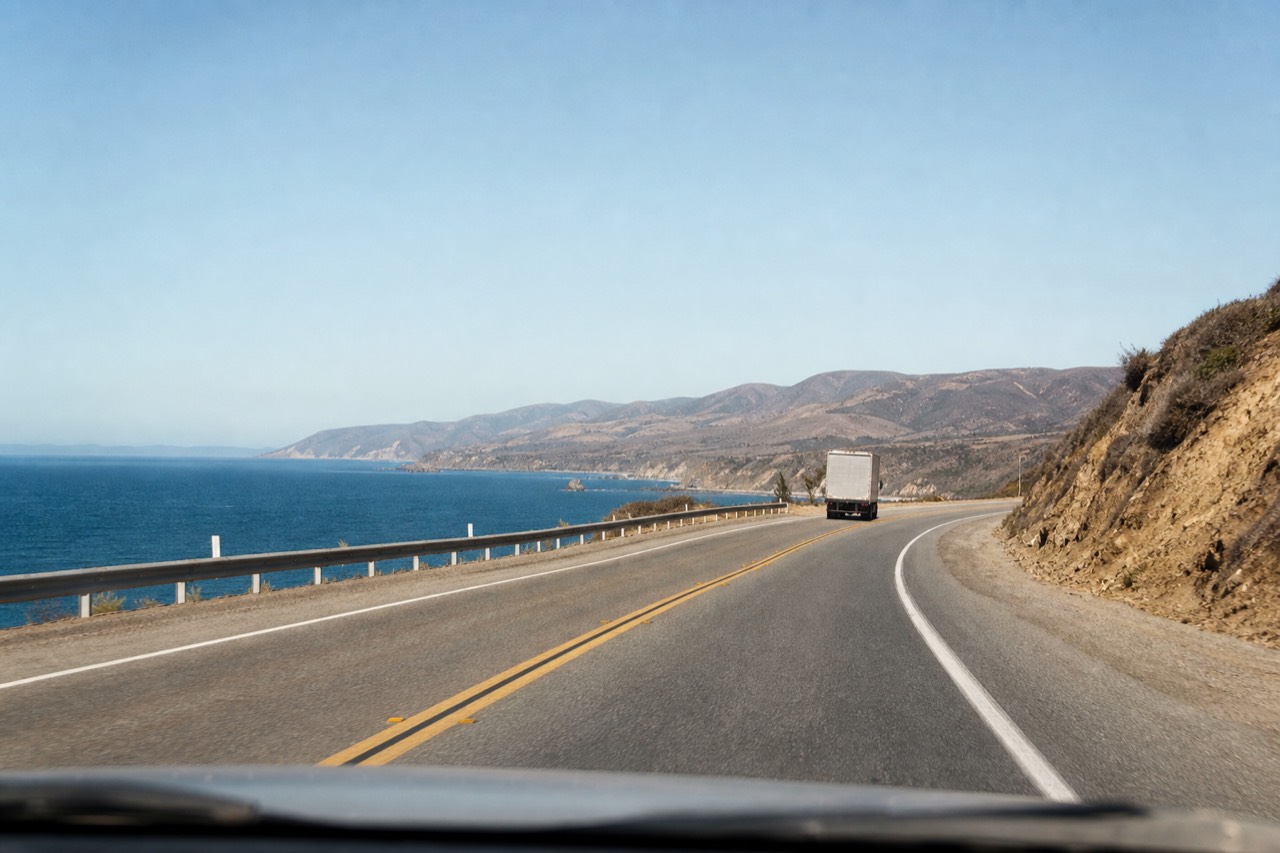
Ensenada sits roughly 75 miles, about a two-hour drive, south of San Diego, and there are two practical ways to cover that distance: drive yourself across the border and follow the road south, or book a tour that handles the crossing, the vehicle, and the driving for you. The first option gives you full control of your schedule. The second removes nearly every piece of logistics from your day, which is why it is the more common choice for visitors whose real destination is the wine country just northeast of Ensenada, a city that is a cruise port, a fishing harbor and a wine-country gateway in its own right.
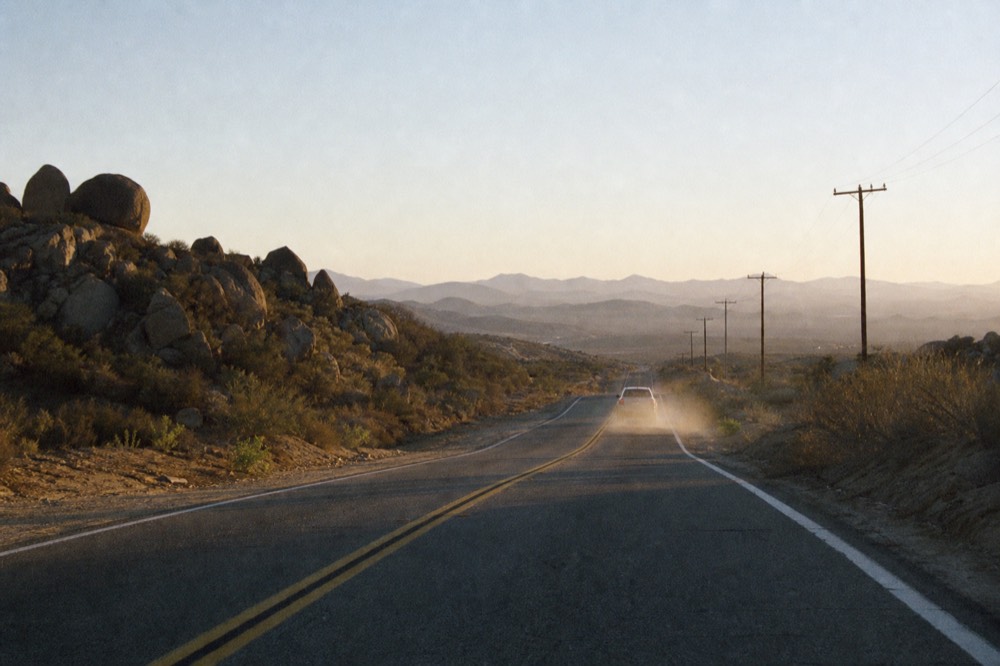
If you drive, the route is straightforward once you are through the border. From the San Ysidro or Otay Mesa crossing you follow Mexican Federal Highway 1, the toll road that hugs the coast through Rosarito and down toward Ensenada. The road is paved, signed, and well traveled by tourists and commercial traffic alike. The two-hour figure is driving time only; it does not include the border wait on either side, which is its own variable and worth understanding before you commit to a schedule.
The booked-tour option is the one most wine travelers take, and the reason is simple. A tour that departs San Diego puts you in a vehicle with a driver who crosses the border regularly, knows the timing patterns, and carries the insurance and paperwork the trip legally requires. Our wine tours from San Diego guide covers the full roster of departures, including the Luxury Private Wine Tasting Tour to Guadalupe Valley from Baja California Wine Tours, rated 5.0 across 182 reviews, priced from $269 per person, and running a full 10 hours with lunch and a cheese platter included.
For a quick side-by-side of the two approaches:
| Approach | Border handling | Vehicle and insurance | Who drives | Typical total time |
|---|---|---|---|---|
| Self-drive | You wait in line, both directions | You arrange a Mexican liability policy | You, sober all day | 4 to 6 hours round trip driving plus waits |
| Booked tour from San Diego | Driver manages the crossing | Operator's insured vehicle | A paid, experienced driver | 7 to 10 hours door to door |
What does the border crossing actually involve?
Most San Diego departures cross at San Ysidro or Otay Mesa, and the wait can run from a few minutes to well over an hour depending on day and time, with the return crossing into the US usually the longer line; that asymmetry is why tour itineraries build buffer time into the end of the day. Southbound crossings into Mexico are generally fast, often a matter of minutes. Northbound is where the planning lives, because every US-bound traveler re-enters through CBP inspection, and weekend and holiday afternoons are the worst windows.
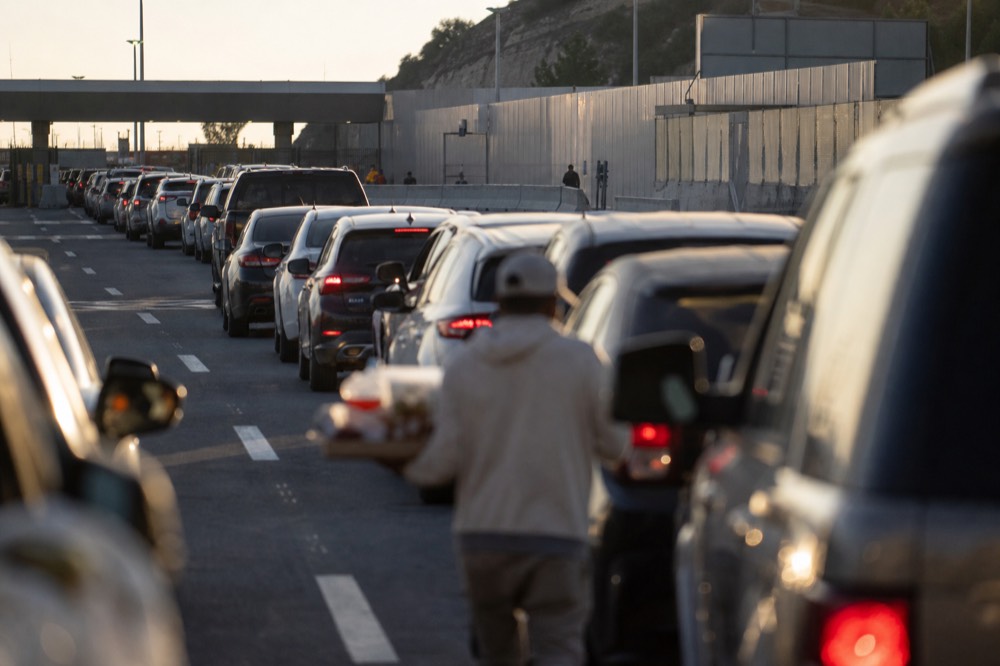
Timing matters more than most first-time visitors expect. A tour that leaves San Diego early in the morning crosses south before the late-morning buildup, spends the middle of the day in the valley, and aims to be back at the northbound line before the evening crush. This is a real constraint baked into the roster's own durations: the San Diego departures run 7 to 10 hours, and the Grand Mexico Wine Country Tour from Border Tours, a newer listing at 5.0 so far across a handful of reviews, runs 7 to 9 hours with round-trip transportation included.
The document side is where outdated assumptions trip people up. A birth certificate plus photo ID is not sufficient for land re-entry to the US; a valid US passport book, passport card, or Trusted Traveler card such as SENTRI is required under the Western Hemisphere Travel Initiative, in force since 2009. Minors need their own compliant document. A Mexican FMM tourist permit may formally be required even for short border-zone day trips, and official guidance recommends carrying one even though enforcement in the immediate border zone varies. Our full passport and document guide covers every scenario in detail.
The practical takeaway: if you are booking a tour, the operator absorbs the crossing logistics and you only need your documents and your timing. If you are driving yourself, the crossing is the single biggest schedule variable in your day, and you should plan the northbound return for mid-afternoon or accept a long wait.
Why do wine tours include transportation instead of letting you drive?
Nearly every tour in this roster includes transportation because of three hard facts: US auto insurance is not recognized for liability in Mexico, Mexico's legal blood alcohol limit for driving is 0.05 g/dL, and even one standard drink measurably impairs driving ability, so a paid driver solves all three problems at once. This is not an upsell gimmick. It is the structural logic of the whole product category.
Start with the insurance. Mexican federal law requires a Mexican-issued liability policy for any vehicle driven in the country, and driving without one risks detention or impoundment after an incident, per AAA. A US policy, however good at home, does not count. A tour vehicle already carries the required coverage, which is a large part of why operators advertise transportation so prominently; Baja Tour Guide's own listing, for example, says to enjoy pickup directly from your hotel and all-day transportation.
Then there is the drinking question, and it is worth being direct about it. A wine tour is, by definition, a day of tasting. Mexico's federal limit of 0.05 g/dL is stricter than the US federal 0.08% standard, and some Mexican states and cities enforce even lower thresholds. Per NHTSA, even one standard drink, 5 ounces of wine at 12% ABV, measurably impairs driving. A day with four or five tasting room stops makes any self-drive plan untenable on both the legal and the physiological level.
The roster reflects this reality uniformly. Every single tour across the San Diego, Ensenada, Tijuana, and Rosarito departures includes transportation in the price, from the private options down to the shared Rosarito Casa Frida tour, rated 4.5 across 36 reviews and priced from $140 per person, which confirms door-to-door pickup along the coast. When every operator in a market makes the same inclusion, it is usually because the underlying conditions demand it, and here they clearly do. Our wine tasting cost guide breaks down what that included transport is actually worth against a self-drive budget.
What does a self-driver need to arrange?
A self-driver needs a valid passport book, passport card, or Trusted Traveler card for re-entry, a Mexican-issued liability policy for the vehicle, a plan for the northbound return line, and an FMM tourist permit if guidance applies; none of this is paperwork you can improvise at the border. It is all doable, and plenty of people do it, but it is a genuine preparation list rather than a spontaneous day trip.
The documents come first. The WHTI rule means your birth certificate is not a re-entry document, and minors traveling with you need their own compliant credentials. The FMM permit question is the murkiest piece: official guidance recommends carrying one even for short border-zone trips, though enforcement in the immediate zone varies, so check current requirements before you go rather than relying on forum anecdotes.
The insurance is the item with real legal teeth. Short-term Mexican liability policies are sold by US insurers and at the border, but you need to arrange one before you drive, not after. And the return crossing needs honest planning: if your tasting day ends at 4 pm on a Sunday, you are entering the worst northbound window of the week. Self-drivers who enjoy the valley properly either designate a truly sober driver or accept that the tasting part of the day becomes a modest one.
One more consideration worth naming plainly. The US State Department's advisory for Baja California state stands at Level 3: Reconsider Travel, citing crime and kidnapping, updated August 12, 2025. Millions of Americans cross for day trips yearly and tourist zones and main highways are treated differently in practice by tours and travelers alike, but the advisory is real, it applies at the state level, and a reader deserves to know it exists rather than a softened version. A booked tour with a local driver is one common way travelers act on that information.
Is it easier to start from Tijuana or Rosarito?
Starting from Tijuana or Rosarito cuts the driving roughly in half and removes the longest border wait from the middle of your day, which is why several strong tours depart from those cities instead of San Diego; the tradeoff is that you first have to get yourself to the departure point. For travelers already staying in Baja, or willing to cross the border on their own the day before, the southern departures are genuinely more efficient.
The roster backs this up with real products. From Tijuana, the Baja Tour Guide wine tour is private, rated 5.0 across 62 reviews, priced from $169 per person, and runs 7 to 10 hours with hotel pickup and all-day transportation. From Rosarito, the shared Casa Frida tour carries up to 28 guests with door-to-door coastal pickup. Both skip the San Diego pickup leg entirely, which is the slowest and most variable part of any north-origin itinerary. Our wine tours from Tijuana and Rosarito guide covers those departures in full, so we will not repeat the details here.
The comparison is really about where the border sits in your day. A San Diego departure puts the crossing at the start, with a driver managing it. A Tijuana or Rosarito departure assumes you have already crossed, on foot, by rideshare, or the day before. Neither is better in the abstract; it depends on where you wake up and how much of the logistics you want to own.
What does a typical day from San Diego actually look like?
A realistic day runs about ten hours door to door: morning pickup in San Diego, the southbound crossing, roughly two hours of driving to the Ensenada area, three to four hours of tastings and lunch, and a northbound return timed before the evening line; the roster's own durations, 7 to 10 hours across the San Diego departures, back this up. Here is how the hours typically break down.
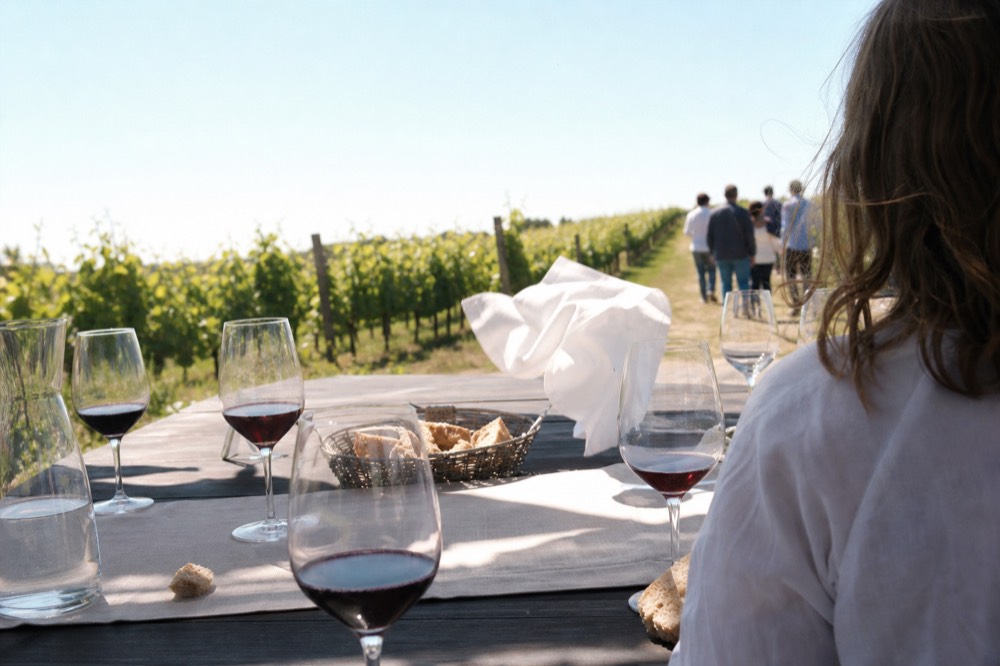
A 10-hour tour that departs San Diego around 8 am crosses the border before 9, reaches the valley by mid-morning, and spends the prime 11 am to 3 pm window at wineries, which is exactly what the Luxury Private Wine Tasting Tour's 10-hour duration supports. The shorter 7-hour variants trim winery stops rather than drive time, because the 75 miles and the border do not compress. Lunch is typically folded into the middle, and most roster tours include it, from the Grand Mexico tour's meals to the Wine and Dine Day Trip's lunch, rated 4.9 across 36 reviews and priced from $34 to $126 depending on group size and options.
The return is the disciplined part of the schedule. A driver aims to be back at the northbound crossing by late afternoon, accepting that the line may still cost an hour. That is why the day feels full but not rushed: the arithmetic of distance, border, and tasting time simply adds up to a long day, and the operators who publish 8 to 10 hour durations are being honest about it.
For travelers who prefer to start their wine day already south of the border, the related tour below is the strongest Ensenada-departure option on the roster.
For groups comparing the two Ansell formats side by side, the bus variant runs the same 8 to 10 hours at from $515 per group, rated 4.9 across 24 reviews, while the San Diego luxury private option remains the pick for travelers who want the border handled from the US side.
Whether you drive it yourself with the right paperwork or hand the whole day to a tour operator, the route itself is the easy part: 75 miles, one border, and a road that runs straight to Mexico's best-known wine country. Valle de Guadalupe Wine Tours covers the departures, costs, and winery stops in the depth this short summary cannot.
Most travelers get from San Diego to Ensenada either by driving roughly 75 miles south across the border at San Ysidro or Otay Mesa, or by booking a wine tour from San Diego that includes insured transportation and a driver who manages the crossing; the drive itself takes about two hours each way, with border waits added on top. The questions below cover the details travelers ask about most: documents, timing, self-drive requirements, and whether starting further south makes the day easier.
Common questions about getting from San Diego to Ensenada
How Do You Get from San Diego to Ensenada?
Drive roughly 75 miles, about two hours, crossing the border at San Ysidro or Otay Mesa and following Mexican Federal Highway 1 south, or book a tour from San Diego that includes transportation and handles the crossing for you.
How long does the trip take?
About two hours of driving each way, not counting border waits. Full tour days from San Diego run 7 to 10 hours door to door, which includes the crossing, the drive, tastings, and lunch.
Do I need a passport to drive from San Diego to Ensenada?
Yes. Land re-entry to the US requires a valid passport book, passport card, or Trusted Traveler card such as SENTRI; a birth certificate plus photo ID is not sufficient. A Mexican FMM tourist permit may also be formally required.
Can I drive myself to the wineries?
You can, but you need a Mexican-issued liability insurance policy, valid documents, and a sober-driver plan, since Mexico's legal blood alcohol limit for driving is 0.05 g/dL and even one standard drink measurably impairs driving.
Which border crossing should I use?
San Diego tours typically cross at San Ysidro or Otay Mesa. Southbound waits are usually short; the northbound return line is the long one, so time your return for before the late-afternoon buildup.
Is it easier to start from Tijuana or Rosarito?
Yes, if you are already south of the border or willing to cross on your own first. Tijuana and Rosarito departures cut the driving roughly in half and remove the longest border wait from your day; see the Tijuana and Rosarito tours guide for those options.