Best Time to Visit Valle de Guadalupe: A Season-by-Season Planning Guide
The valley pours wine all year, but the experience changes with the season: harvest crowds in late summer, cool desert nights in winter, and a border crossing whose rhythm is worth planning around.
Short answer
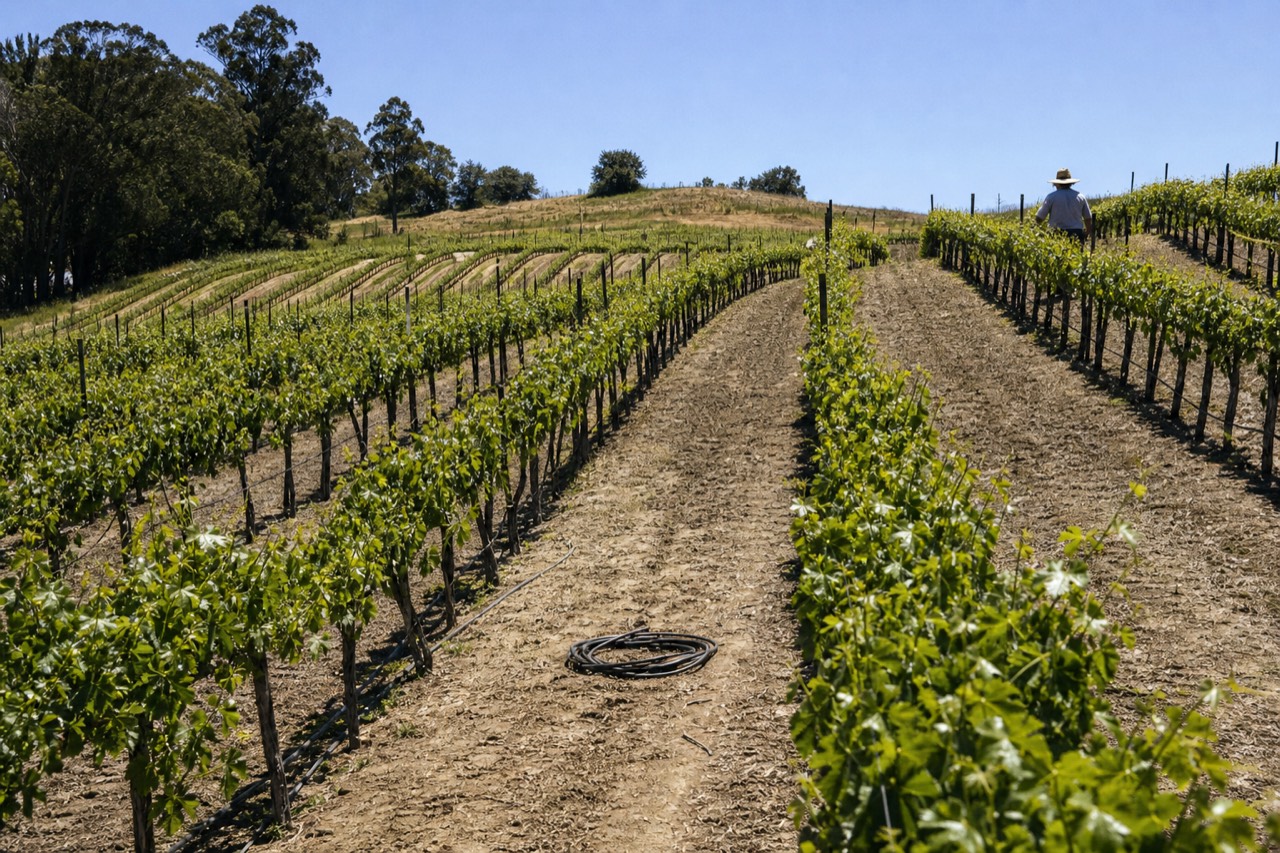
The busiest and most popular window is roughly August through October, the Northern Hemisphere grape harvest, when the valley is at its liveliest. Spring and fall offer mild days and cool evenings, summer runs hot and dry, and winter is quiet with chilly nights. Every tour in the region runs year round with transportation included, so there is no closed season, only trade-offs.
Best Time to Visit Valle de Guadalupe: A Season-by-Season Planning Guide
Valle de Guadalupe sits roughly 75 miles, about two hours south of San Diego, near Ensenada, and it is often described as "Mexico's Napa Valley," a comparison explored in full here. Unlike some famous wine regions, it does not shut down for winter. All thirteen tours currently on the region's live listings run year round with transportation included, which changes the planning question from "when is it open" to "what kind of trip do I want." This guide works through the seasons honestly: what the climate actually does, when the crowds arrive, how the border crossing behaves, which tour format fits which weather, and a month-by-month table you can plan against.
What is the best time to visit Valle de Guadalupe?
The busiest and most rewarding window for most travelers is roughly August through October, the Northern Hemisphere grape harvest, when the valley is at its liveliest and tasting rooms see their heaviest traffic. Outside that window, spring and fall bring mild days and cool evenings, summer runs hot and dry, and winter is quiet with chilly nights. There is no closed season here: every tour in the current roster runs year round with transportation included.
That last point deserves emphasis because it separates Valle de Guadalupe from many US wine regions, where some wineries close seasonally or cut tasting-room hours in the slow months. Here, the tour products themselves do not hibernate. The practical question is which trade-offs you prefer: crowds and harvest energy, or quiet roads and easier reservations; heat, or the need for layers at night.
One honest caveat before the detail: no specific harvest-festival date for 2026 or 2027 is published anywhere for the valley. The August-to-October window below is the general Northern Hemisphere harvest pattern, and the visitor surge that comes with it is a general, well-established pattern too, not a promise about a named event. If a festival matters to your dates, check the valley's own event channels before booking, and treat anything you find there as the primary source.
The rest of this guide breaks the question into pieces you can actually plan with: climate, harvest, the border, tour formats, packing, and a month-by-month table.
What does Baja's high-desert climate actually feel like?
Valle de Guadalupe sits in a high-desert Mediterranean climate pattern: hot, dry summers, mild winters, and cool desert nights year round. The practical consequence is a big day-to-night temperature swing, so a warm afternoon can turn into a jacket evening at the tasting room. No published averages exist for this specific valley, so plan in ranges and layers rather than exact numbers, and check a current forecast before you pack.
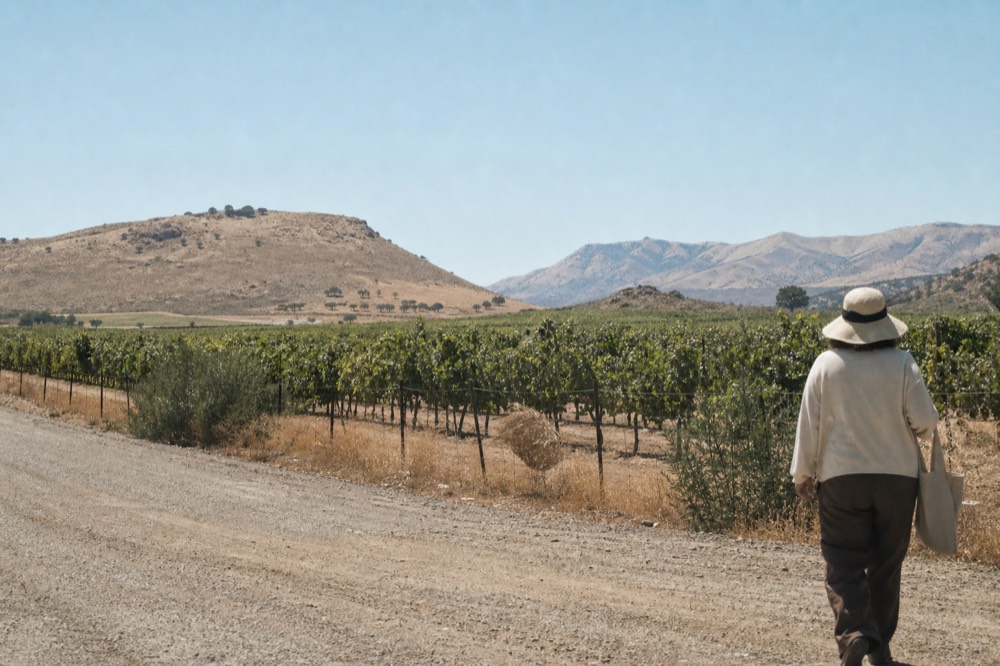
The pattern matters more than any single number. Dry summers mean the heat is the honest, low-humidity kind: intense in the early afternoon, tolerable in shade, and sharply cooler once the sun drops. Desert nights are the detail first-time visitors underestimate. Even in summer, an evening on a vineyard terrace can call for a light layer, and in winter the same terrace can be genuinely cold. Wine country evenings are part of the experience here, and the valley's restaurant and tasting culture runs late, so the day-to-night swing is not a footnote, it is a packing decision.
Rain, for planning purposes, is a minor character. The region's wet weather concentrates in the winter months, and even then it tends to arrive in episodes rather than settling in for weeks. A winter trip is more likely to be cool and clear than washed out, but a rain jacket earns its space in the bag from roughly December through February. Summer trips can generally leave it home.
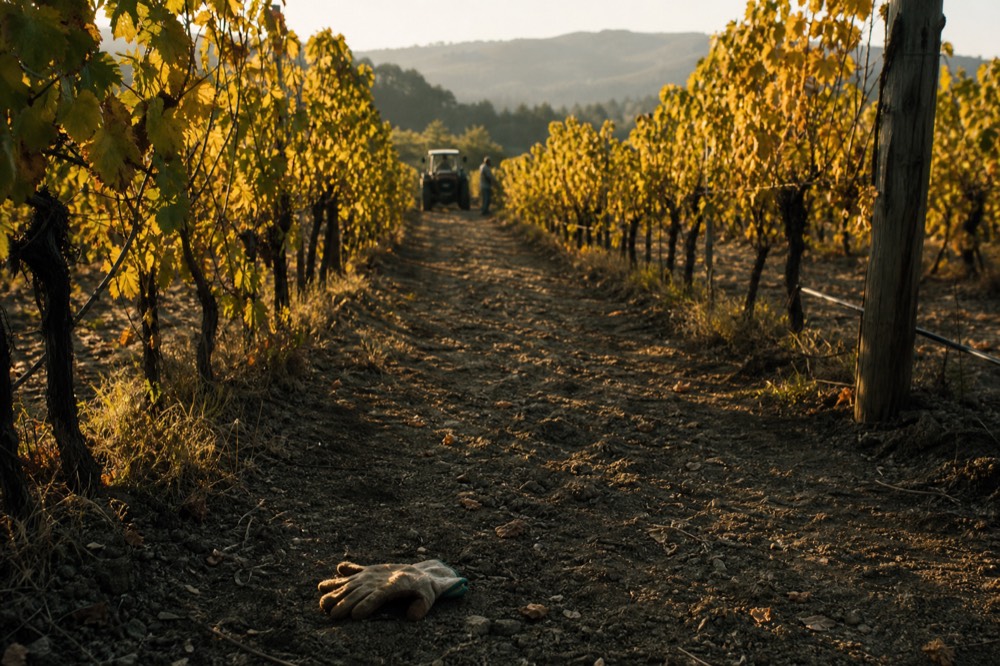
The seasons also change how the valley looks. Late winter and early spring bring the green back to the hills after the rains; by late spring the golds take over; summer is dry and dusty-bronze; and harvest season brings the vines heavy with fruit. None of these looks is a reason to pick a date by itself, but if you have a preference between green hills and golden ones, late February through April versus June through September is the honest split.
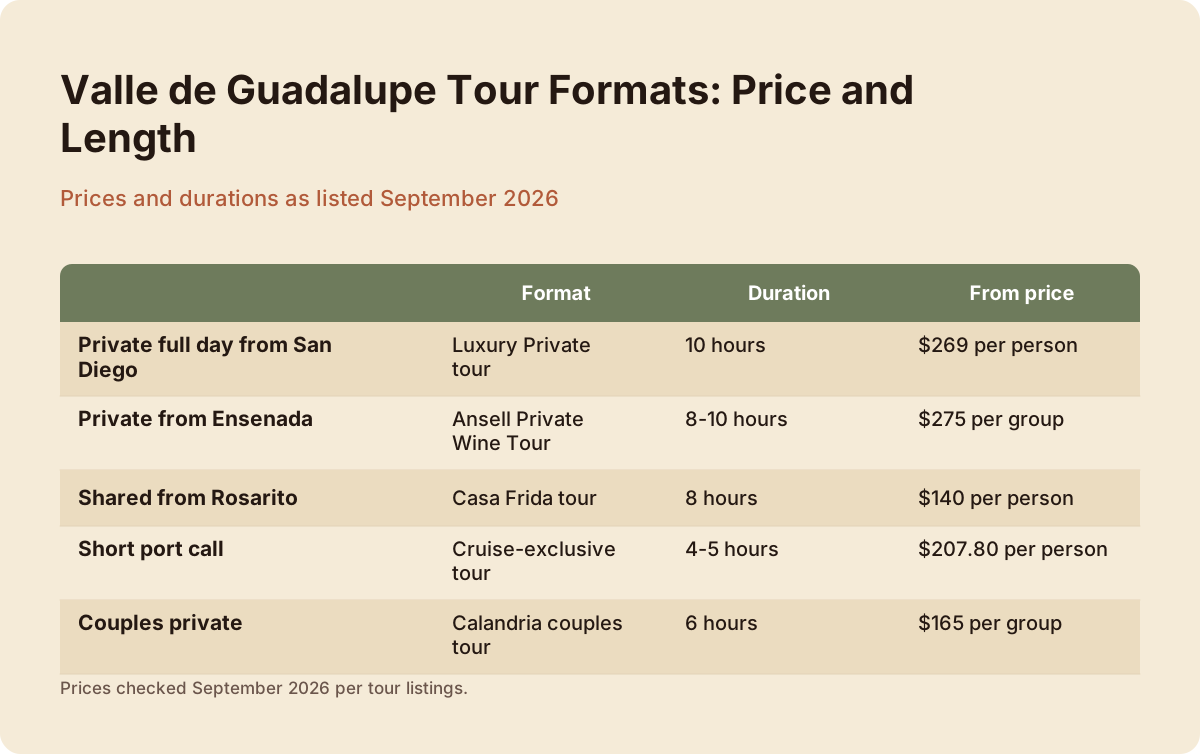
If you are matching a tour to a season, the three above span the main formats: a private tour from Ensenada, a private-group bus variant for bigger parties, and a shared tour from Rosarito. The season-by-format reasoning comes later in this guide.
Why does harvest season draw the most visitors?
The August-through-October harvest window is when the valley feels most like a working wine region: grapes come off the vines, tasting rooms are at their busiest, and tour availability tightens. This is a general Northern Hemisphere pattern rather than a confirmed festival schedule, since no specific 2026 or 2027 valley harvest-festival date is published anywhere. Travelers who want the energy should book early; travelers who want quiet should look elsewhere in the calendar.
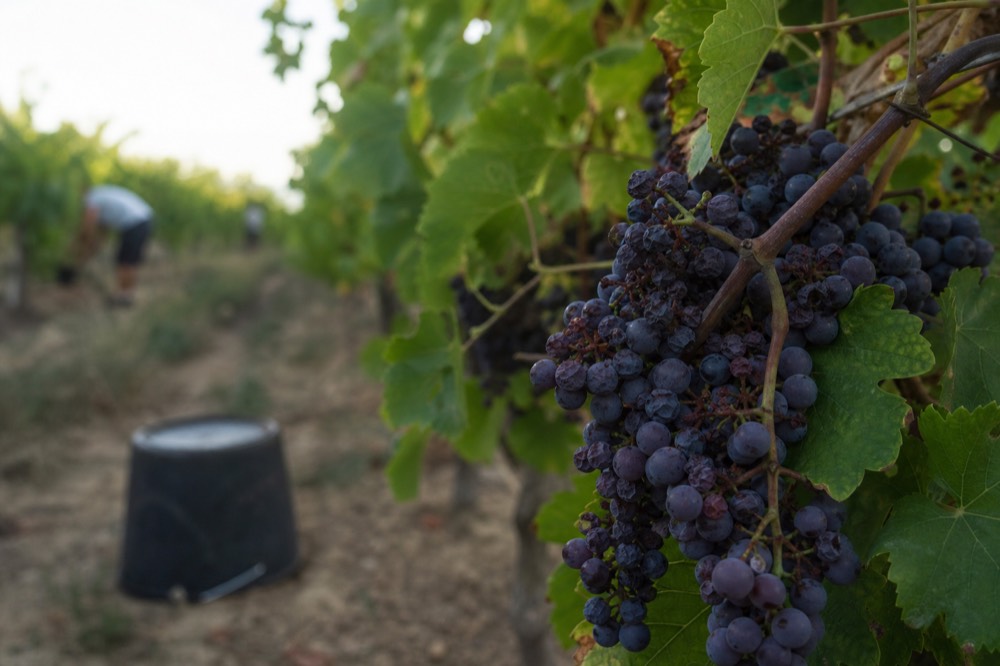
Harvest is the valley's high season for a simple reason: it is the one time of year when wine country is visibly doing the thing it exists to do. Vines heavy with fruit, trucks moving crates, crush underway at the wineries. The atmosphere is the draw, and the crowds follow it. Expect the busiest tasting rooms, the fullest restaurants, and the highest hotel rates of the year in this window, and expect the popular tour products to sell out further in advance than they do in, say, February.
The honest counterweight: harvest crowds are real. If your ideal day is a unhurried tasting with the pourer's full attention, the quiet months deliver that more reliably. Several guest reviews for the region's tours, verbatim, praise exactly that unhurried pace on off-peak dates. There is a reason wine-country regulars often pick the shoulder months: much of the scenery, fewer of the people.
If harvest season is when you want to go, booking a private tour early makes sense, and one with a free-cancellation policy gives you room to shift dates if plans change. The Ansell private wine tour from Ensenada, rated 4.9 across 176 reviews, offers free cancellation, see the listing for the exact policy, and runs 8 to 10 hours from $275 per group.
How does the season affect the border crossing and the drive from San Diego?
Weekend border traffic is a real, well-known planning factor for this trip: northbound and southbound queues at the San Diego-Tijuana crossings build on Friday afternoons, Saturdays, and Sunday evenings, and holiday weekends multiply the effect. Seasonally, summer and harvest weekends see the heaviest leisure traffic. Most tours from San Diego absorb this by crossing early and returning after the evening peak, but the timing is worth checking on your specific tour's listing.
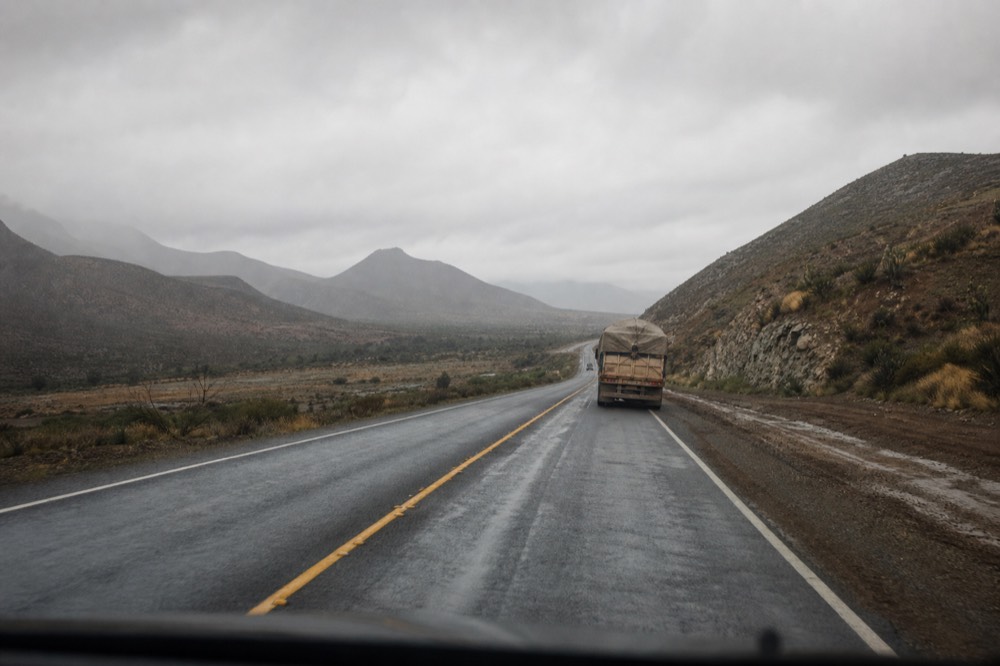
The drive itself is straightforward: roughly 75 miles, about two hours from San Diego to the valley under normal conditions. The variable is the crossing. A midweek morning departure can pass quickly; a Saturday morning can add a meaningful wait. Tours departing from San Diego build their schedules around this reality, which is one reason a 10-hour product is sized the way it is: the day includes the crossing both ways, not just the valley time.
Season interacts with this in two ways. First, leisure traffic across the border swells in summer and around holidays, when day-trippers and vacationers share the lanes with commuter traffic. Second, the return leg matters: winter's early darkness and summer's late-evening crowds change when a tour comes back. If you are sensitive to either, a tour departing from Ensenada or the cruise port skips the US-side crossing entirely, and a tour from Tijuana or Rosarito shortens the US-side drive.
Documents are a year-round constant, not a seasonal one, but this is the right place to say it plainly: a valid US passport book, passport card, or Trusted Traveler card such as SENTRI is required for land re-entry, and a birth certificate plus photo ID is not sufficient under the Western Hemisphere Travel Initiative, in force since 2009, per CBP's WHTI guidance. Minors need their own compliant document. A Mexican FMM tourist permit may formally be required even for short border-zone day trips; official guidance recommends carrying one even though enforcement in the immediate border zone varies. Our passport and document guide for Valle de Guadalupe covers every document scenario in detail.
One more year-round factor worth knowing before you choose a date: the US State Department rates the state of Baja California at Level 3, Reconsider Travel, a level above Mexico's overall Level 2, citing crime and kidnapping, per the advisory page updated August 12, 2025. The advisory is state-level and does not carry a Valle de Guadalupe-specific carve-out. The practical context most tours operate under: tourist zones and main highways are treated differently in practice, and millions of Americans cross for day trips yearly, but the advisory is real and should be read directly at travel.state.gov rather than softened by anyone selling you a trip, including this site. Our dedicated look at whether Valle de Guadalupe is safe walks through the full advisory context.
Which tour format suits which season?
Hot summer days favor shorter or earlier formats and air-conditioned private transport; mild winter days suit the full 10-hour products comfortably. The roster spans shared tours up to 28 people, private couples tours, private-group bus tours, and a 4-to-5-hour cruise-exclusive product, the shortest in the region, versus 10-hour full days. Summer rewards shade, water, and a flexible private pace; winter rewards length, since the midday is comfortable and the light ends early.
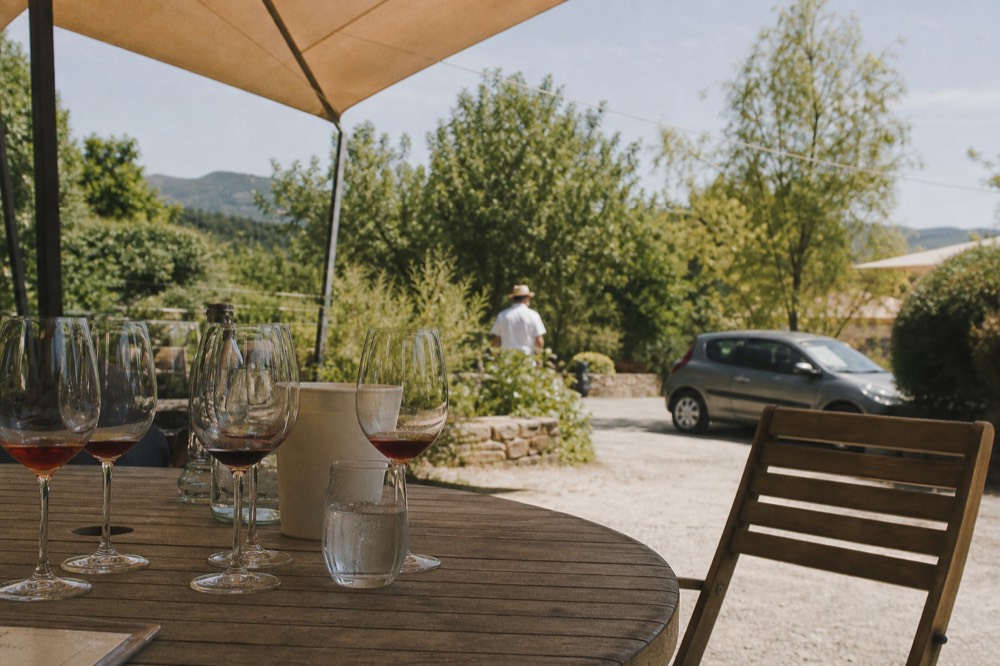
The format question is where the season question becomes concrete. On a hot, dry summer afternoon, a shared 8-hour tour with fixed stops can feel long by the final winery, while a private tour lets your group slow the pace, extend lunch, and lean on air-conditioned transport between stops. The region's roster reflects this spread honestly. The luxury private tour from San Diego, rated 5.0 across 182 reviews, runs 10 hours from $269 per person with lunch and a cheese platter included: a full-day format that suits a mild-weather date, and one that rewards a summer booking with its private flexibility.
At the other end, the cruise-exclusive wine tasting tour from Ensenada's port runs just 4 to 5 hours, the shortest product in the roster, from $207.80 per person. It is a newer, cruise-exclusive listing, rated 5.0 so far across just 1 review. That short format is a natural fit for a hot day: it concentrates the valley into the comfortable hours and returns you to the ship before the late-afternoon heat peaks.
The table below matches the real formats in the roster to the seasons they suit best, using the roster's own confirmed details.
| Format | Example tour | Season fit | Why |
|---|---|---|---|
| Private full day from San Diego | Luxury Private Wine Tasting Tour, 10 hours, from $269 per person | Spring, fall, winter | Full length is comfortable in mild weather; private pace absorbs a hot day if you book summer |
| Private from Ensenada | Ansell Private Wine Tour, 8-10 hours, from $275 per group | Year round | Skips the US-side crossing; free cancellation confirmed |
| Shared from Rosarito | Casa Frida tour, 8 hours, up to 28 guests, from $140 per person | Spring, fall | Fixed shared pace suits mild days; brunch stop included |
| Short port call | Cruise-exclusive tasting tour, 4-5 hours, from $207.80 per person | Summer | Concentrates the valley into cooler hours |
| Couples private | Calandria couples tour, 6 hours, up to 2 people, from $165 per group | Fall, winter | Short, intimate format suits cool evenings |
A note on the shared-versus-private question in harvest season: August through October is when private tours earn their price. Shared products are at their fullest, tasting rooms are at their busiest, and a private guide's ability to time stops around the crowds matters most. In February, the same shared tour can feel nearly private.
What should you pack for a valley day?
Pack for a desert swing: sun protection for the day and layers for the evening, in every season. In practice that means sunscreen, a hat, and sunglasses year round; a light jacket or layer even in summer; a proper warm layer from November through March; and a rain jacket from December through February. Comfortable shoes matter too, since winery grounds are gravel, dirt, and hillside, not pavement. These are planning allowances, not operator promises.
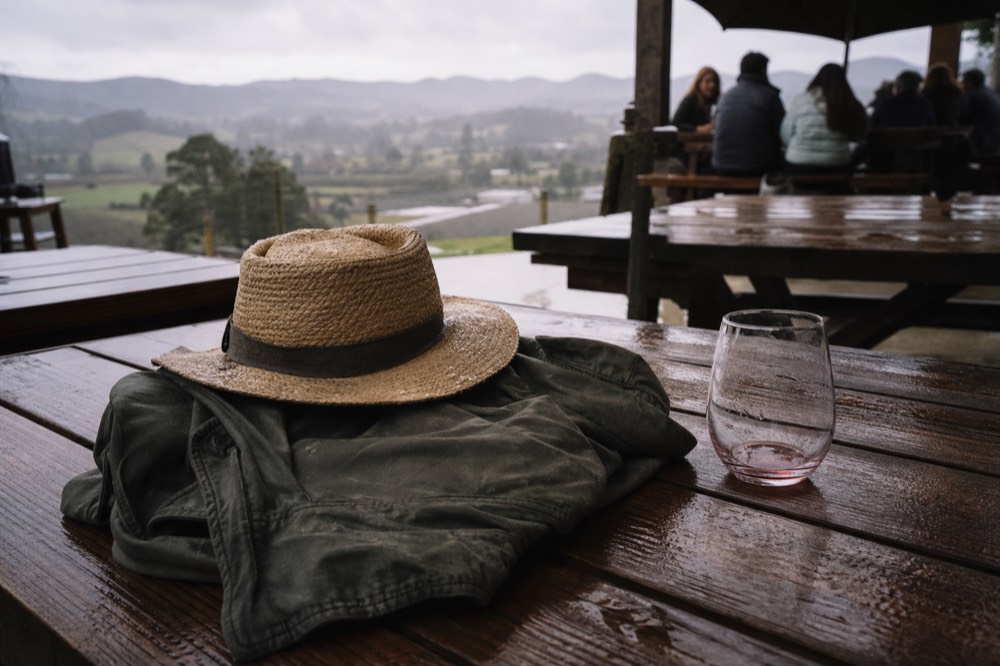
The sun protection line is not filler. Baja's latitude and the dry air mean the midday sun is genuinely strong even in winter, and a full-day tour spends real time outdoors: vineyard walks, terrace tastings, restaurant patios. A hat and sunscreen will do more for your day than almost anything else in the bag.
The layer line is the one visitors get wrong. The same physics that makes desert afternoons hot makes desert nights cool, and the valley's dining and tasting culture runs into the evening. A light layer in summer, a real jacket in winter, and you are covered. If your tour returns to San Diego after dark, remember the border wait happens outside: you will be glad of the jacket in the queue.
| Season | Day essentials | Evening essentials | Footwear and extras |
|---|---|---|---|
| Summer (Jun-Aug) | Sunscreen, hat, sunglasses, water bottle | Light jacket or long-sleeve layer | Closed-toe comfortable shoes for gravel winery grounds |
| Fall (Sep-Nov) | Sunscreen, hat | Medium layer, warm by November | Same; light scarf for late fall evenings |
| Winter (Dec-Feb) | Sunscreen still, sunglasses | Warm jacket, beanie, gloves for evenings | Water-resistant shoes if rain is in the forecast |
| Spring (Mar-May) | Sunscreen, hat | Light-to-medium layer | Comfortable walking shoes for green-season vineyard walks |
One more practical item that belongs in this section rather than repeated later: water. Tasting days dehydrate people, the desert climate amplifies it, and most tours include meals but you should carry your own water between stops. This is also the honest public-health reason wine tours are sold with transportation included: even one standard drink measurably impairs driving, per NHTSA's impaired-driving guidance, and Mexico's legal blood-alcohol limit for drivers is 0.05 g/dL, stricter than the US federal 0.08 standard. Nobody in your group should be planning to drive.
How does the month-by-month calendar break down?
August through October is the harvest high season: liveliest valley, fullest tasting rooms, highest demand for tours and hotels. March through May and November bring mild shoulder-season conditions with thinner crowds. December through February is the quiet season, cool days, cold nights, occasional rain, and the easiest reservations of the year. June through August runs hottest, with summer weekends adding border traffic. Every month of the year has working tours and open tasting rooms.
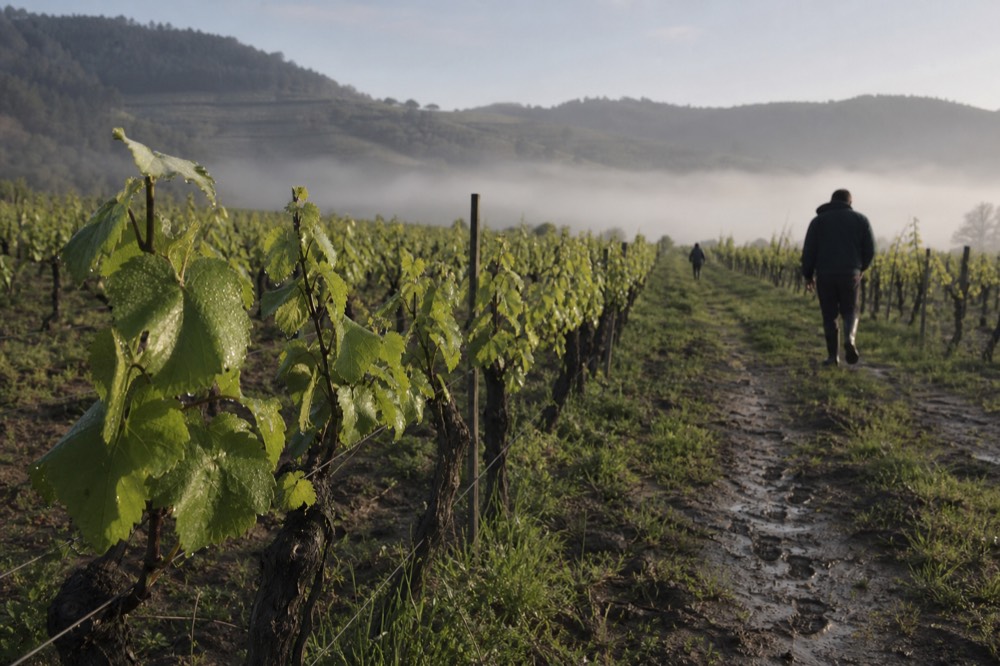
This is the guide's title promise, so it deserves the space. The table below is a planning allowance in plain language: temperature expectations described generally since no published monthly averages exist for this specific valley, crowd levels described relatively, and one practical note per month. Treat it as a frame for expectations, then check a current forecast and the live listings for your actual dates.
| Month | Temperature expectation | Relative crowd level | Practical note |
|---|---|---|---|
| January | Mild days, cold nights | Lowest | Easiest reservations of the year; pack real layers |
| February | Mild days, cold nights, occasional rain | Low | Green season begins if rains have come; rain jacket advised |
| March | Mild, warming | Low to moderate | Hills at their greenest; comfortable full-day tours |
| April | Mild to warm days, cool nights | Moderate | Strong shoulder-season pick: good weather, modest crowds |
| May | Warm days, cool evenings | Moderate | Late spring golds arrive; book weekends a bit ahead |
| June | Hot, dry days | Moderate | Heat is manageable with a private or shorter format |
| July | Hottest stretch, dry | Moderate to high | Summer weekends thicken border traffic; cross early |
| August | Hot days, harvest begins | High | Harvest window opens; book tours and hotels well ahead |
| September | Hot easing, harvest peak | Highest | Peak valley energy and peak crowds; reserve everything early |
| October | Warm days, cool nights, harvest tail | High | Harvest's last weeks; excellent weather-to-crowd ratio late in the month |
| November | Mild days, cool nights | Moderate | Underrated month: harvest energy fading, weather still fine |
| December | Mild days, cold nights, occasional rain | Low | Quiet season; holiday weekends are the exception, plan around them |
Reading the table honestly, three months stand out for specific traveler types. September is the answer if you want the valley at maximum intensity and accept the crowds and prices that come with it. April and late October are the answers if you want very good weather with a real discount on crowds: April sits between the rains and the heat, and late October keeps harvest's tail end while shedding its peak. February is the answer if your priority is a quiet, unhurried tasting experience at the easiest prices of the year, provided you pack for cold evenings and accept a chance of rain.
The summer months deserve a fairer hearing than they usually get. The heat is real but dry, the touring day shifts around it, and the roster's formats give you tools: a private tour that paces itself, a short port-call product that finishes before the afternoon peak, or a shared tour where the operator's schedule already accounts for the season. What summer does punish is improvisation: a hot day with no water, no hat, and a fixed 10-hour shared itinerary is a long day. The same day, planned, is fine.
Winter, similarly, is better than its reputation. Cold nights are the cost; empty tasting rooms, easy restaurant reservations, and off-peak rates are the return. The valley's tours run on their normal schedules, and the region's dining scene, one of the real draws of a trip here, is easier to get into in January than in September. If you want help choosing where to eat, our guide to the best restaurants in Valle de Guadalupe covers the options, and the best wineries in Valle de Guadalupe guide does the same for tasting rooms.
Is there a bad season to visit Valle de Guadalupe?
No, and that is a structural fact rather than a sales line: all thirteen tours in the region's current roster run year round with transportation included, unlike US wine regions where some wineries close seasonally. The calendar changes the character of the trip, harvest energy versus winter quiet, summer heat versus spring green, but it does not close the valley. The only genuinely bad outcomes come from mismatches: an unplanned hot summer day, or an unbooked September weekend.
This is where Valle de Guadalupe genuinely differs from wine regions closer to home. The tours do not pause, the drivers do not park the vans, and the region's operators publish transportation-included, insured-driver messaging on their live listings year round. That messaging is not seasonal marketing; it reflects the real legal and practical reasons a driven tour is the standard way to see the valley, from Mexico's 0.05 g/dL driving limit to the fact that US auto insurance is not recognized for liability coverage in Mexico, per AAA.
So the honest closing argument is that the best time is the one matched to what you want. Want the valley at its most alive, grapes coming off the vines, every restaurant humming? August through October, booked well in advance. Want the best weather-to-crowd ratio? April or late October. Want quiet and value? January or February, with a warm jacket. Have a cruise port call or a short window? The short formats exist for exactly that. Whatever you pick, the planning constants are the same: compliant border documents, sun protection, layers, and a tour with the driving handled.
If you are still weighing the whole region against alternatives, our piece on wine tours from San Diego covers the crossing-side logistics in more depth. And if this site's season-by-season framing has been useful, Valle de Guadalupe Wine Tours collects the full roster of tours and guides in one place.
Whichever month you land on, the same shortlist logic applies: a private option for flexibility, a bus variant for larger groups, or a shared tour for value. The three below cover all three formats, and each runs year round.
The short answers: harvest season, August through October, is the liveliest and busiest window; summer is hot but manageable with the right format; winter never closes the valley; and every tour in the region runs year round with transportation included. The questions below cover the specifics travelers ask most.
Common questions about the best time to visit Valle de Guadalupe
What is the best month to visit Valle de Guadalupe?
September, at the peak of the August-through-October harvest window, if you want the valley at its liveliest and accept the biggest crowds. April and late October are the best weather-to-crowd compromises, and January or February suit travelers who prioritize quiet and value over warmth.
Is Valle de Guadalupe too hot in summer?
Summer days are hot and dry, but the heat is manageable with the right format: a private tour that paces itself, a shorter product, or a shared tour whose schedule already accounts for the season. Pack sun protection, carry water, and plan around the midday peak.
Do wineries in Valle de Guadalupe close in winter?
No closed season exists in practice for the tour products: all thirteen tours in the current roster run year round with transportation included. Winter brings mild days, cold nights and occasional rain, plus the easiest reservations of the year.
When is grape harvest in Valle de Guadalupe?
The general Northern Hemisphere harvest window, roughly August through October, applies. No specific 2026 or 2027 valley harvest-festival date is published anywhere, so check the valley's own event channels for festival dates before planning around one.
When is the border crossing busiest on a wine tour day?
Friday afternoons, Saturdays and Sunday evenings, with holiday weekends and summer-to-harvest leisure traffic adding more. Tours from San Diego build their schedules around these peaks by crossing early and returning after the evening rush; tours from Ensenada skip the US-side crossing entirely.
What should I pack for a Valle de Guadalupe wine tour?
Sunscreen, a hat and sunglasses year round; a light layer for summer evenings; a warm jacket from November through March; a rain jacket from December through February; and comfortable closed-toe shoes for gravel winery grounds. Carry your own water between stops.