Is It Safe to Get Off the Cruise Ship in Ensenada?
An honest look at cruise-day safety in Ensenada: the real Baja California advisory, why booked tours with insured transport are the norm, and how to avoid missing the ship.
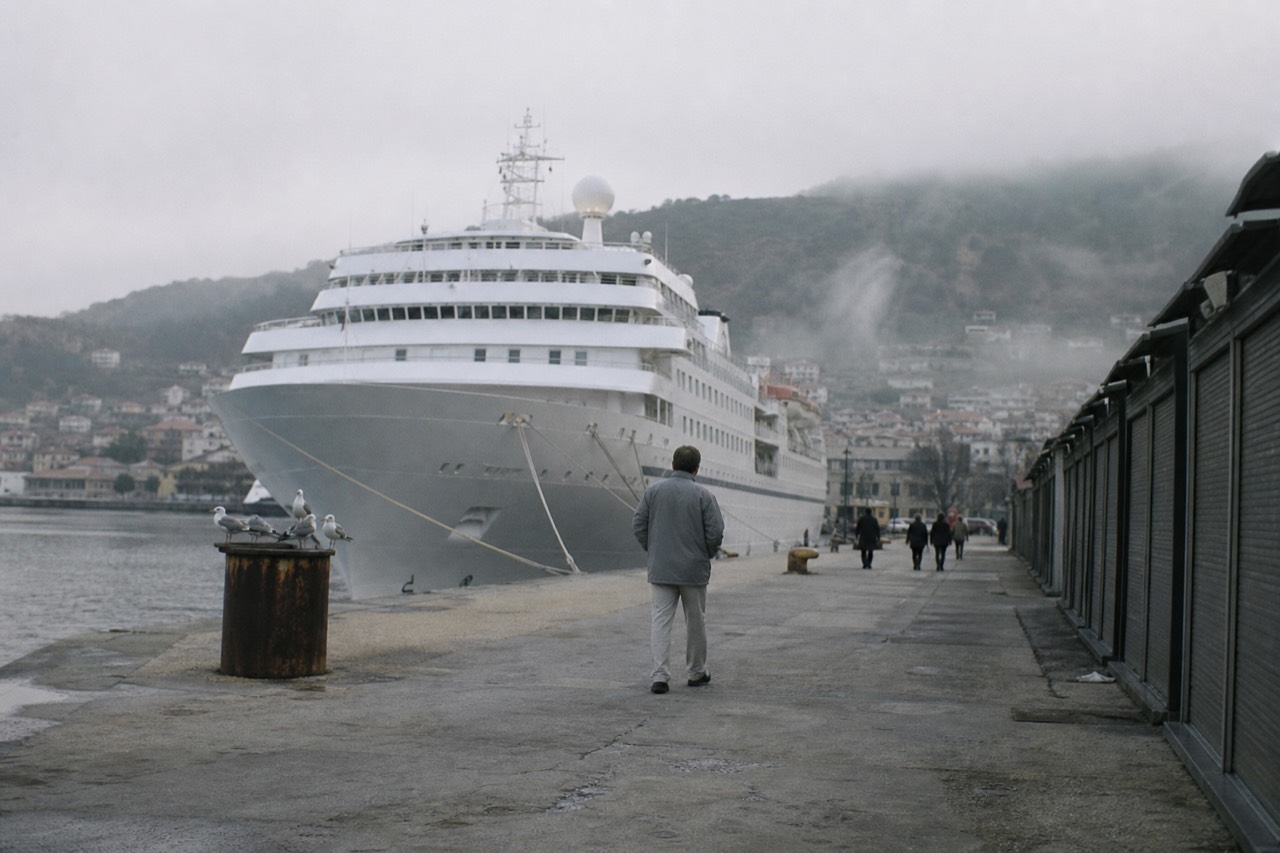
Is It Safe to Get Off the Cruise Ship in Ensenada?
Baja California carries a US State Department Level 3: Reconsider Travel advisory citing crime and kidnapping, one level above Mexico's overall Level 2 rating, and that advisory covers the Ensenada cruise port too. In practice, thousands of cruise passengers who take standard precautions disembark at Ensenada every week, spend daytime hours in the tourist zone, and reboard without incident.
The advisory is real and should not be softened into a shrug. It applies at the state level, which means Tijuana, Tecate, Rosarito, Ensenada, and the Valle de Guadalupe wine country inland all sit inside the same rating. There is no Ensenada-specific carve-out on the State Department's Mexico advisory page. The reason string is "terrorism, crime, and kidnapping," and the underlying concern is cartel-related violence in specific areas, not a blanket warning against tourists walking the malecón at noon.
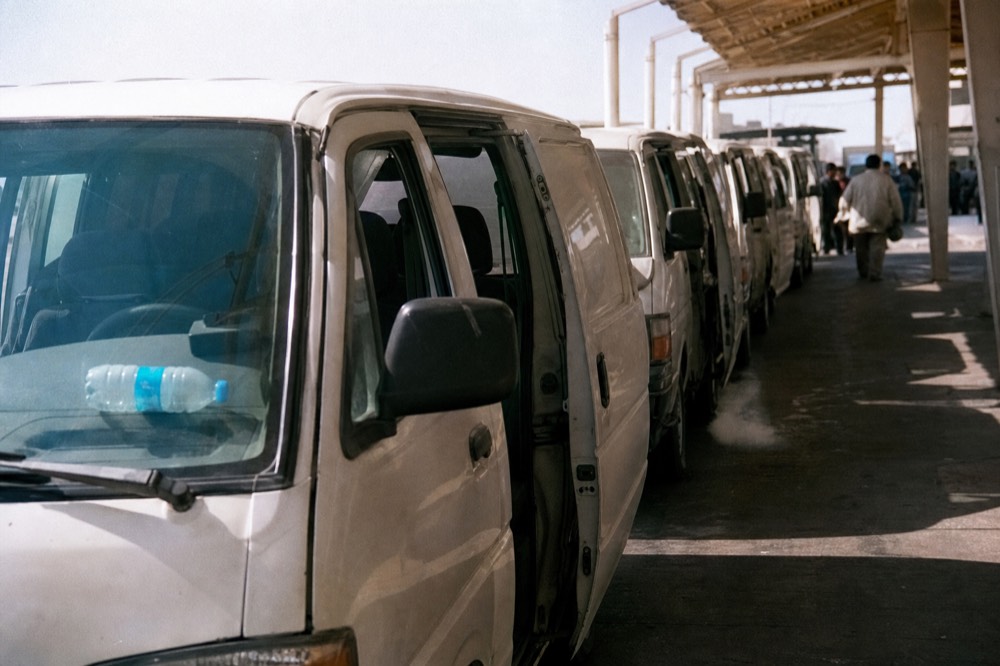
What the rating does not tell you is how a port call actually works. Cruise ships dock within walking distance of Ensenada's downtown tourist strip. Passengers step off into a zone of souvenir shops, fish-taco stands, the malecón, and tour-operator vans waiting with printed signs. The violence that drives the advisory is concentrated in areas a cruise passenger has no reason to visit, and a ship's scheduled stop is a daytime, high-visibility, heavily trafficked affair by design. That context does not erase the advisory; it explains why experienced cruisers treat a booked excursion as the default rather than wandering improvised.
For a fuller treatment of the advisory, the numbers behind it, and how independent travelers handle it, read the region-wide piece on whether Valle de Guadalupe is safe; this page stays focused on the port-call day itself. If your plan is a wine excursion, the practical decision is which tour format fits a 4-to-10-hour port window, and these three cover the range:
What does a Level 3 advisory mean for a few hours ashore?
A Level 3 rating asks you to reconsider travel to the state, but it does not prohibit movement, and it does not single out the Ensenada port or its tourist zone. For a cruise passenger, the practical reading is: go ashore with a plan, keep to the port-adjacent area or a booked excursion, and avoid improvised exploration far from the ship after dark. The State Department's own framing distinguishes tourist corridors from the specific areas driving the rating.
Three practical points follow from that. First, the advisory is state-wide, so the same rating covers the wine valley an hour inland; choosing a winery day over staying in town does not move you into a different advisory tier. Second, cruise lines continue to call at Ensenada on major West Coast and Mexican Riviera itineraries, which tells you how the industry's own security assessments weigh a daytime port stop. Third, the rating's driver is organized-crime activity in particular zones, and the standard port-day footprint, the waterfront, Avenida Ruiz López, the downtown market, and guided routes to the valley, sits apart from those zones.
The honest comparison for a nervous first-timer looks like this:
| Port-day choice | Advisory context | What manages the risk |
|---|---|---|
| Stay aboard | No exposure | None needed |
| Walk the downtown tourist strip | Same state-level Level 3 | Daylight, crowds, short distance to the gangway |
| Booked group excursion | Same state-level Level 3 | Operator transport, fixed itinerary, return timed to sailaway |
| Private guided tour | Same state-level Level 3 | Private vehicle, insured driver, customizable pace |
| Improvised taxi exploration | Same state-level Level 3 | Least structure; you manage timing and route yourself |
The pattern in that table is the one experienced cruisers actually follow: structure is the safety measure. A booked tour puts you in a vehicle with an insured driver, on a route the operator runs weekly, with a return time the operator is contractually motivated to hit. That matters doubly in wine country, where the alternative is renting a car, and Mexican law requires a Mexican-issued liability policy that US auto insurance does not provide, per AAA. It also matters because Mexico's federal driving blood-alcohol limit is 0.05 g/dL, stricter than the US 0.08 standard, and even one standard 5-ounce glass of wine measurably impairs driving. Every wine tour in this space sells transportation included for exactly these reasons.
There is a human layer on top of the structural one. Guest reviews for tours in this region consistently name the people who ran the day: guests on the Ansell private tour and bus tour name their coordinator Patrick and drivers and guides Dale, Silvia, Diana, Jayri and Sabrina; guests on the Rosarito Casa Frida tour name guides Adolfo and Fernando and driver Don Manuel; guests on the Calandria couples tour name their guide Andrea. That is the texture of a regional tour economy built on repeatable, named service, and it is the same economy your Ensenada excursion plugs into. A day run by a named guide with a named driver is a day with accountability built in, which is precisely what an improvised taxi arrangement lacks.
If you want the reassurance of a tour built around your ship's schedule before anything else, check availability on the cruise-exclusive option now and read the timing details below.
Why staying with a booked tour is the standard advice
The single biggest safety and logistics upgrade a cruise passenger can buy is a tour with its own insured vehicle and driver-guide. It removes the self-drive question, the alcohol-and-driving question, and the getting-lost question in one purchase, and it converts your port hours into a fixed itinerary with a return time. That is why the operator listings for this port lean so hard on private, air-conditioned, insured transportation in their own descriptions.
The cruise-specific option in this roster is the Wine Tasting Tour for Cruise Ship Visitors, run by The Wine Route. It is private, all-inclusive with brunch and wine tastings, and priced from $207.80 per person. At 4 to 5 hours it is the shortest tour in the roster, and that brevity is deliberate: it is sized to a port call, not a full resort day. It is a newer, cruise-exclusive listing, rated 5.0 so far across just 1 review. Pickup is at the port, in private air-conditioned transportation, and the tour's whole design brief is "back before the ship leaves."
One structural point worth knowing: Mexico's federal tourism authority, SECTUR, runs a real guide-accreditation system under NOM-08-TUR-2002 and NOM-09-TUR-2002, with training hours, first aid and CPR requirements, a language exam, and a credential valid up to four years. None of the operators in this roster list that credential on their pages, so treat it as a question you can ask any operator directly, "is your guide SECTUR-accredited," rather than a claim to assume. A legitimate operator will answer the question plainly either way.
For the full picture of what departs this port and what each format costs, the Ensenada cruise port wine tours guide breaks down the roster by tour length and price.
Can you miss the ship on a shore excursion?
Yes, and the timing risk is a bigger real-world danger on an Ensenada port call than crime. Ships wait for no one, and an excursion that runs long or a taxi that cannot be found will strand you faster than any advisory-level event. The standard mitigation is a tour sized to your port window, with a buffer built in, and an operator who knows your sailaway time before you leave the terminal.
Do the arithmetic before booking anything. If your ship is in port from 8 a.m. to 4 p.m., you have roughly seven usable hours, and a 10-hour tour is physically impossible no matter how good its reviews are. The 4-to-5-hour cruise-exclusive tour fits almost any Ensenada call. The longer options in the roster, like the 10-hour wine-and-coast combination, only make sense on extended port days or when you are staying overnight in Ensenada rather than sailing out same-day. When in doubt, pick the shorter tour and enjoy an unhurried hour back on the waterfront.
The wine-and-coast combination worth sizing up is the Valle de Guadalupe, La Bufadora & Puerto Nuevo tour from Destinos Baja Tours. It is a private group, full-day, 10-hour itinerary at from $447 per person, pairing the valley with the blowhole at La Bufadora and a lobster-town meal in Puerto Nuevo. It is a new listing, not yet reviewed, so there is no rating to report; it does carry confirmed free cancellation, see the listing for the exact policy. It fits a late sailaway or an overnight in Ensenada, not a standard morning call. There is a fuller writeup in the La Bufadora and Puerto Nuevo guide.
What should you actually do on your Ensenada port day?
Plan the day around three anchors: a document check before you disembark, one structured activity with transport included, and a firm return-to-ship time with at least an hour of buffer. Passengers who follow that pattern report uneventful, genuinely enjoyable days, and guest reviews for tours from this port consistently name the guides and drivers, which is the shape of a day that worked.
The document point catches people. A US citizen re-entering by land or sea needs a valid passport book, passport card, or Trusted Traveler card; a birth certificate plus photo ID is not sufficient under the Western Hemisphere Travel Initiative, and minors need their own compliant document. Our full passport and document guide covers every scenario. A cruise passenger reboarding a ship at Ensenada is making an international round trip, so carry the passport, full stop. Official guidance also suggests a Mexican FMM tourist permit may formally be required even for short trips, and carrying one is the safe default; check what your cruise line or tour operator says before the call.
For the activity, the honest menu is short. A booked wine tour with pickup at the port is the flagship option, and Valle de Guadalupe Wine Tours covers the full roster from this terminal. A walk through downtown for tacos and the mercado is the low-cost alternative, and it is entirely reasonable in daylight within a few blocks of the water. What the roster genuinely does not offer, because no real operator here sells it, is an evening dinner-specific wine tour or an ATV-plus-tasting combo; if you see one advertised, treat it with suspicion. The confirmed real venues in the valley, profiled in full in our best wineries in Valle de Guadalupe guide, include Cuatro Cuatros, L.A. Cetto Winery, Rondo del Valle, Baron Balche, Bodegas San Rafael in Ojos Negros, and Los Globos Cheese & Wine Shop, all real and confirmed to exist, though tour itineraries vary by operator and day.
The buffer point deserves its own sentence: the difference between a relaxed port day and a sprint down the pier is usually thirty minutes of slack, so build it in. Tell your guide your sailaway time at pickup, confirm the expected return time out loud, and keep your phone charged with the operator's contact saved. Small habits, but they are the ones that separate the passengers strolling up the gangway from the ones sprinting past the duty-free shop.
If a wine day from the terminal is the plan, these are the three tours from this port and Ensenada worth comparing:
The short version of everything above: Baja California carries a real Level 3 advisory, thousands of passengers disembark weekly without incident, and the reliable pattern is a booked excursion with insured transport, documents in hand, and a firm buffer before sailaway. The questions below cover the specifics cruise passengers ask most.
Common questions about cruise safety in Ensenada
Is It Safe to Get Off the Cruise Ship in Ensenada?
Baja California carries a US State Department Level 3: Reconsider Travel advisory citing crime and kidnapping, and that is the honest starting point. In practice, thousands of passengers disembark weekly into the daytime tourist zone near the terminal, and booked excursions with insured transport are the standard, well-established pattern for an uneventful day ashore.
Is downtown Ensenada walkable from the cruise port?
Yes. The ship docks within walking distance of the waterfront tourist strip, and the downtown shops, market, and taco stands sit close to the terminal. Daylight hours, the area right by the water, and a relaxed pace are the norm for passengers who walk rather than book a tour.
Do I need my passport to get off the ship in Ensenada?
Carry it. A US citizen needs a valid passport book, passport card, or Trusted Traveler card for re-entry, and a birth certificate plus photo ID does not qualify under the Western Hemisphere Travel Initiative. Minors need their own compliant document.
Can a wine tour get me back to the ship on time?
A tour sized to a port call can. The cruise-exclusive option runs 4 to 5 hours specifically for this reason, and its operator designs the return around sailaway. Do the arithmetic against your published port hours before booking any tour, and leave buffer.
Is it safe to rent a car and drive to Valle de Guadalupe from the port?
Most cruise passengers should not. US auto insurance is not recognized for liability coverage in Mexico, a Mexican-issued policy is legally required, and Mexico's 0.05 g/dL blood-alcohol limit is stricter than the US standard. That combination is why nearly every tour from this port includes its own insured vehicle and driver.